Keto diet Unlocking the Secrets of Fat-Burning Fun

Keto diet

Keto diet sets the stage for this enthralling narrative, offering readers a glimpse into a story that is rich in detail and brimming with originality from the outset. Imagine a world where your body turns into a fat-burning furnace while you indulge in cheesy goodness and crispy bacon—sounds like a dream, right? This magical transformation is brought to you by the Keto diet, a low-carb, high-fat regimen that not only tantalizes your taste buds but also promises to kick your weight loss efforts into high gear.

With a treasure trove of nutritional benefits that outshine your average salad, the Keto diet lends a helping hand to those wrestling with weight, energy levels, and even chronic pain. As we dive into the world of ketones and carb counting, prepare to discover how this diet stacks up against its popular counterparts while revealing the science behind its impressive results.

Health and Nutrition
Keto diet

The Keto diet, a modern nutritional marvel for many, is much like a magician pulling rabbits out of hats—only this time, the rabbits are nutritious fats and the hats are overflowing with proteins! Designed to usher your body into a state of ketosis, this diet focuses on high-fat, moderate-protein, and very low carbohydrate intake, leading you down a path paved with health benefits and a sprinkle of deliciousness.

But, hold onto your avocados; let’s dive into the nutritional treasure chest!The nutritional components of the Keto diet are akin to a superhero team—each member plays a vital role in your health! By drastically reducing carbs and ramping up fats, your body shifts gears and starts burning fat for fuel instead of glucose. This switch can lead to impressive weight loss and energized days that feel like you’ve had a double shot of espresso (minus the jitters!).

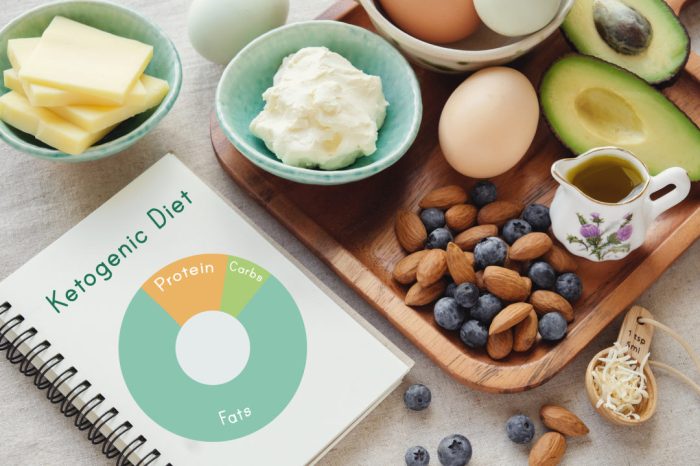
The balance of healthy fats, such as avocados, nuts, and olive oil, combined with protein sources like eggs and meat, creates a powerhouse of nutrients that contribute to improved brain health, controlled blood sugar levels, and enhanced heart health.

Nutritional Components and Their Benefits

The nutrient composition of the Keto diet is remarkable, and understanding these components helps illuminate their numerous health benefits. Here’s a closer look at the key players in this nutritional ensemble:

  • Healthy Fats: Fats are not the enemy here! They provide essential fatty acids and fat-soluble vitamins like A, D, E, and K. These nutrients can help reduce inflammation and promote brain function.
  • Protein: This macronutrient is crucial for maintaining muscle mass, especially during weight loss. Think of protein as your body’s construction worker, building and repairing tissues.
  • Low Carbohydrates: Lowering carbs can help stabilize blood sugar levels. This is like giving your body a calm, steady rhythm instead of a rollercoaster ride!
  • Fiber: Found in non-starchy vegetables, fiber is key for healthy digestion. It’s the friendly neighborhood sidekick that keeps everything running smoothly.

The Keto diet stands out when compared to other popular diets like Paleo or Mediterranean. While the Paleo diet focuses on whole foods, neglecting processed foods and grains, the Keto diet is a bit more selective, prioritizing fat over carbs. The Mediterranean diet boasts heart-healthy fats but often includes more grains, making it less restrictive. By keeping carbohydrates to a minimum and focusing on nutrient-dense foods, the Keto diet can provide a unique edge in achieving rapid weight loss and sustained energy levels.

“Switching to a high-fat diet can lead to a 70% increase in fat oxidation and a 30% decrease in fat storage.”

As we explore the health and nutrition aspect of the Keto diet, it becomes clear that this culinary adventure can lead you to not only shed those pesky pounds but also bounce around with the energy of a toddler on a sugar rush—minus the sugar, of course!

Health and Obesity

Keto diet

The Keto diet has emerged as a beacon of hope for those battling the bulge, presenting an intriguing approach to weight loss and overall health. By dramatically changing how our bodies utilize energy, the Keto diet not only provides a means to shed those pesky pounds but also holds the potential to reduce obesity rates on a larger scale. It’s a whimsical roller coaster ride through the world of fats, carbs, and proteins that can lead to some surprising results.

The magic of the Keto diet lies in its ability to switch the body’s fuel source from carbohydrates to fats, a process known as ketosis. When carbohydrates are scarce, the body becomes an efficient fat-burning machine, leading to enhanced weight loss. This metabolic switch does more than just help in shedding pounds; it also reduces insulin levels and curbs hunger, making it easier to maintain a calorie deficit.

Think of it as a switch that flicks on your body’s ability to burn fat instead of storing it, turning you into a lean, mean, fat-burning machine—without the need for laser beams or superhero capes!

Mechanisms of Keto Diet Influencing Metabolism

Understanding how the Keto diet influences metabolism is like peeking behind the curtain at the wizard’s magic tricks. The diet works via several key mechanisms:

1. Insulin Regulation

By minimizing carbohydrate intake, the Keto diet lowers insulin levels. Low insulin levels promote fat breakdown and prevent the storage of excess fat. Think of insulin as the bouncer at the club of fat cells—it decides who gets in and who doesn’t!

2. Increased Fat Oxidation

Once the body enters ketosis, it starts to break down fat into ketones for energy. This process not only helps reduce fat stores but also leads to a steady source of energy. Say goodbye to those energy crashes after carb-heavy meals!

3. Appetite Suppression

Ketosis can lead to reduced hunger levels, thanks to the satiating nature of fats. This can make it easier to stick to a calorie-reduced plan. It’s like having a magic spell that makes you too full to snack!

4. Enhanced Energy Levels

As the body adapts to burning fat for fuel, many individuals report increased energy and mental clarity. The brain loves ketones, making it feel as if you’ve upgraded from dial-up to fiber-optic internet.Success stories abound, bringing smiles and inspiration to those considering this dietary adventure. Take, for example, the tale of Sarah, who transformed from a carb-loving couch potato to a vibrant energy dynamo, shedding over 50 pounds on Keto and gaining a newfound zest for life.

Or let’s not forget about Mike, who dropped three sizes and started running marathons, all while enjoying his beloved bacon and avocados! These stories shine a light on the potential of the Keto diet to not just change waistlines but also lives.

“The Keto diet isn’t just a diet; it’s a lifestyle change that can transform your relationship with food forever!”

Pain Management

The Keto diet isn’t just about bacon and butter; it’s also a potential superhero when it comes to pain management. Imagine if your plate could be a pain-relief pharmacy—well, it might just be! The Ketogenic lifestyle encourages the body to enter a state of ketosis, which can help reduce inflammation—one of the notorious villains in the saga of chronic pain conditions.

So, let’s dive into how this diet can be your sidekick in battling pain.Research indicates that inflammation plays a significant role in various chronic pain conditions, such as arthritis and fibromyalgia. The Keto diet, which emphasizes high fat and low carbohydrates, can lead to lower insulin levels and improved mitochondrial function, both of which are associated with reduced inflammation. As if that’s not enough, this dietary approach may also help modulate the pain perception in the brain.

Talk about a brain boost!

Foods that Alleviate Pain

Incorporating specific foods into your Keto diet can not only satisfy your taste buds but also aid in reducing pain. Below is a guide to some of the superfoods that might just pack a punch against your ailments:To start, it’s essential to note that certain foods are rich in anti-inflammatory properties and healthy fats, which can help soothe those pesky pains.

Here’s a list of culinary warriors you can include in your Keto repertoire:

  • Fatty Fish: Salmon, mackerel, and sardines are packed with omega-3 fatty acids, which are known for their anti-inflammatory effects. Plus, they taste great grilled or baked with a side of lemon—talk about a win-win!
  • Leafy Greens: Spinach, kale, and arugula are nutrient-dense and low in carbs, making them perfect for keeping inflammation at bay. Toss them into a salad or blend them into a creamy Keto smoothie!
  • Avocado: This green gem is rich in monounsaturated fats and antioxidants, making it a perfect addition to your diet. Not only does it help in reducing inflammation, but it also adds a creamy texture to your dishes. A toast to that!
  • Olive Oil: Drizzling extra virgin olive oil over your meals can provide significant anti-inflammatory benefits. Use it in salads or as a dip for your Keto-friendly bread—your taste buds will thank you!
  • Berries: While many fruits are high in carbs, berries like strawberries, blueberries, and raspberries are lower-carb options that are also rich in antioxidants. They can be a delicious topping for your Keto desserts!
  • Turmeric: This golden spice contains curcumin, a compound known for its anti-inflammatory properties. Add it to your dishes or whip up a warm turmeric latte for a spicy kick in your pain management strategy.

“Food is not just fuel; it’s information. It talks to your DNA and tells it what to do.”Dr. Mark Hyman

In summary, embracing a Keto lifestyle can be a delightful journey filled with tasty foods that may help in managing pain and inflammation. By incorporating these delicious, health-promoting foods into your diet, you may just find that you’re not only enjoying your meals but also taking proactive steps towards a pain-free life. Now, who wouldn’t want that?

Closing Notes

As we wrap up our gastronomic adventure through the Keto diet, it’s clear that stepping into the world of fats and minimal carbs is not just a fad but a lifestyle choice with numerous health benefits. From shedding those pesky pounds to managing pain, the Keto journey is a rollercoaster of flavor and wellness that leaves you feeling satisfied and energized.

Whether you’re a curious newbie or a seasoned pro, remember: the key to success lies in enjoying the ride as you embrace the deliciousness that is Keto!

FAQ Insights

What foods can I eat on a Keto diet?

Think bacon, avocados, cheese, nuts, and leafy greens! Basically, if it’s low in carbs and high in fats, it has a VIP pass.

Is the Keto diet safe for everyone?

While many can enjoy the Keto lifestyle, those with certain health conditions should consult a doctor before diving in—better safe than sorry!

Can I enjoy sweets on the Keto diet?

How long does it take to see results on the Keto diet?

Results can vary, but many people start noticing changes within a few weeks—so hold on to your hats and snacks!

Will I feel tired when starting the Keto diet?

Some do experience a “Keto flu” at first, but it’s usually short-lived. Stick with it, and soon you’ll be brimming with energy!


Hydration tips to Keep You Quenchingly Fabulous

Hydration tips

Welcome to the splash zone of hydration tips, where we dive deep into the refreshing world of staying hydrated without turning into a walking water bottle! Think of hydration as your body’s magic elixir; it keeps your cells dancing, your skin glowing, and your energy levels soaring like a caffeinated squirrel on a sugar rush.

Whether you’re a couch potato or a marathon runner, understanding the hydration basics is essential. Daily water intake isn’t just a suggestion; it’s a recipe for good health, sprinkled with water-rich fruits and veggies. So grab your favorite drink (water, of course) and let’s get ready to hydrate!

Hydration Basics

Staying hydrated is like giving your body an all-access pass to the wellness party! It boosts your energy, keeps your skin glowing, and even gives your brain a refreshment break. Water is the unsung hero of health, quietly doing its job while you’re busy conquering the day. Let’s dive into what hydration really means and why you should treat it like royalty.Hydration is crucial for overall health and wellness, acting as the lubricant for your body’s many gears.

It regulates temperature, keeps your joints happy, and helps transport nutrients to keep everything functioning smoothly. Dehydration can lead to fatigue, headaches, and an array of unpleasantries that no one wants to experience. It’s not just about sipping from a water bottle; it’s about understanding the intricate web of hydration.

Daily Water Intake Recommendations

Determining how much water to drink can feel like trying to solve a riddle wrapped in an enigma, but fear not! Here’s a straightforward guide that breaks it down based on your age, gender, and activity level. Remember, your hydration needs aren’t one-size-fits-all—consider this your personalized hydration roadmap.

Age Group Gender Daily Water Intake (liters)
Children (4-8 years) Both 1.2
Children (9-13 years) Boys 1.8
Children (9-13 years) Girls 1.6
Teenagers (14-18 years) Boys 2.5
Teenagers (14-18 years) Girls 2.0
Adults (19-50 years) Men 3.7
Adults (19-50 years) Women 2.7
Older Adults (51+ years) Both 2.5

“Drink water like you’re a fish swimming in a luxurious ocean of hydration.”

Sources of Hydration Beyond Water

While water is the crown jewel of hydration, there are plenty of delightful hydration sources lurking in the produce aisle. Fruits and vegetables are not just colorful table decorations; they are packed with water and can contribute significantly to your daily intake. Here’s a handy list of hydration heroes:Fruits:

  • Watermelon: A summer classic, boasting about 92% water content.
  • Cucumber: Crunchy and refreshing, with a 95% water presence.
  • Strawberries: Sweet and juicy, offering about 91% water.

Vegetables:

  • Celery: The crispy green stick with a 95% water content that’s perfect for munching.
  • Spinach: Leafy greens that are 91% water and full of nutrients.
  • Tomatoes: Versatile and juicy, with about 95% water content.

Incorporating these hydration-rich foods into your diet can transform your hydration game. So, next time you’re at the grocery store, channel your inner hydration connoisseur and stock up on these flavorful essentials!

Hydration Strategies

Hydration tips

Staying hydrated is a vital component of health, but it doesn’t have to be a chore that feels like a full-time job! By integrating water-rich foods and beverages into your daily regimen, you can transform hydration from a mundane task into an exhilarating adventure. Let’s explore some clever strategies to make sure you’re sipping, slurping, and savoring your way to optimal hydration!

Daily Hydration Plan

Designing a daily hydration plan is like crafting a recipe for a deliciously hydrated life. The key ingredients? Water-rich foods and beverages that not only quench your thirst but also tantalize your taste buds! Here’s how you can whip up a hydration-friendly menu:

  • Start your morning with a splash: Kick off your day with a glass of water or a smoothie packed with hydrating fruits like watermelon and cucumber. You can even throw in a handful of spinach for that extra nutritional punch!
  • Snack smart: Munch on snacks that are 90% water, such as strawberries, cantaloupe, or celery. They’re like little hydration bombs waiting to explode in your mouth!
  • Elevate your meals: Incorporate soups and salads into your lunches and dinners. Think of a refreshing gazpacho or a vibrant mixed greens salad drizzled with a lemony vinaigrette.
  • Sip throughout the day: Keep a water bottle nearby to remind you to take a sip every now and then. Use fun straws or quirky bottles to make it more enjoyable—who doesn’t love a flamingo-themed water bottle?
  • End your day with a warm hug: Have a cup of herbal tea before bed. Not only does it keep you hydrated, but it also serves as a cozy bedtime ritual.

Tips for Drinking Water

Remembering to drink water can often feel like a game of hide and seek—your water bottle hides, and you seek, but you can never seem to find it! To keep your hydration game strong, consider implementing some of these playful tips:

  • Set alarms: Use your phone or smartwatch to set hourly reminders. Let the world know you’re not just a hydration warrior but a hydration DRAGON!
  • Hydration apps: Download an app designed to track your water intake. Some even reward you with virtual badges for reaching your hydration goals. Hydration has never felt so rewarding!
  • Buddy system: Partner up with a friend and challenge each other to drink more water. You can check in daily and celebrate with a virtual high-five every time you reach your goal.
  • Water games: Make drinking water fun by turning it into a game. For instance, every time you take a sip, you get to do a quick dance move or a silly face!

Hydration and Physical Activity

Physical activity elevates your hydration needs significantly, making it crucial to replenish fluids before, during, and after exercise. Here’s how to stay hydrated like a pro athlete without the need for a sponsorship deal:

  • Before exercise: Aim to drink about 16-20 ounces of water at least an hour before your workout. This pre-game hydration will get your body ready to crush those burpees!
  • During exercise: For workouts lasting less than an hour, water is usually sufficient. However, if you’re sweating more than you do on a first date, consider electrolyte beverages for extra replenishment.
  • After exercise: Rehydrate with 16-24 ounces of water for every pound lost during your workout. If you’ve just completed a triathlon, don’t be surprised if you need a small ocean to bounce back!

“Drink water like it’s your job! Because, well, it kind of is.”

Hydration and Health

Staying hydrated is not just about quenching your thirst; it’s an essential part of your overall health and wellness. Think of hydration as the oil that keeps the gears of your body running smoothly. When it comes to nutrition and energy levels, proper hydration can be the difference between feeling like a superstar and dragging through the day like a sloth on a Sunday.

When you sip your H2O, it’s not just refreshing your insides; it’s also playing a pivotal role in your metabolism and how effectively your body processes the nutrients you consume. Dehydration can lead to fatigue, sluggishness, and even crankiness—so remember, you’re not just thirsty; you’re potentially hangry!

Hydration and Nutrition

The relationship between hydration and nutrition is like a buddy cop movie: they work best together! Proper hydration improves nutrient absorption, which means that all those vitamins and minerals from your kale salad don’t just vanish into thin air. They need water to get to where they’re going. Here’s how hydration pumps up your nutrition game:

  • Enhanced Nutrient Absorption: Water is crucial for breaking down foods so your body can soak up those nutrients like a sponge. No water, no nutrients—it’s a sad story!
  • Increased Energy Levels: Dehydration can cause fatigue. If you’re feeling like a deflated balloon, it might just be time for a water refill!
  • Metabolism Booster: Staying hydrated can rev up your metabolism, helping you burn calories more efficiently. Think of it as giving your body a turbo boost.

Hydration in Pain Management and Recovery

Hydration also plays a vital role in pain management and recovery, especially for those who are putting their bodies through the wringer with physical therapy or intense workouts. Imagine your muscles are like a sponge; without adequate water, they’re going to get all dry and cranky. Here’s how hydration supports your recovery journey:

  • Muscle Recovery: Proper hydration helps reduce muscle soreness and cramping, making it easier to bounce back after a tough workout.
  • Joint Lubrication: Water acts as a lubricant for your joints. Staying hydrated keeps them moving smoothly, allowing you to twist and turn without sounding like a rusty hinge.
  • Pain Reduction: Adequate hydration can help mitigate pain, as dehydration can amplify discomfort. It’s like giving your pain a glass of water—it might just chill out!

Hydration Needs for Different Weight Classes

The hydration needs of individuals can vary significantly, particularly between those dealing with obesity and those at a healthy weight. Each group has unique considerations, making personalized hydration strategies vital for their health. Here’s a breakdown of tailored hydration approaches:

  • Individuals with Obesity: They may need to focus on larger fluid intakes to help with weight management. Hydration can reduce hunger pangs, making it easier to resist those pesky snack attacks!
  • Individuals at Healthy Weight: For those maintaining a healthy weight, drinking to thirst is generally adequate. However, they should still be mindful of hydration, especially during physical activities.
  • Common Goal: Both groups should aim for balanced hydration to aid metabolism and overall health. A water bottle is like a trusty sidekick on this health journey!

“Drink water like it’s your superpower; it fuels your body and keeps you ready to take on the world!”

Last Point

Hydration tips

In conclusion, mastering hydration tips is like having a superpower that can elevate your health and well-being to new heights! From quenching your thirst with delicious fruits to remembering to sip water throughout the day, hydration is the name of the game. So go forth and hydrate like the fabulous human you are; your body will thank you with every sip!

FAQ Compilation

How much water should I drink daily?

It varies! A general rule is about 8 cups (64 ounces) for most adults, but factors like age, gender, and activity level can change that.

Can I hydrate with beverages other than water?

Absolutely! Herbal teas, milk, and even fruits like watermelon can boost your hydration levels.

What are signs of dehydration?

Look out for dry mouth, fatigue, darker urine, and headaches; your body is basically waving a tiny white flag saying, “Help!”

Is it possible to drink too much water?

Yes, it’s rare but possible! Overhydration can lead to water intoxication, which messes with your electrolytes, so drink wisely.

Do I need to drink more water when exercising?

You bet! Physical activity increases your water needs, so make sure to hydrate before, during, and after your workout.