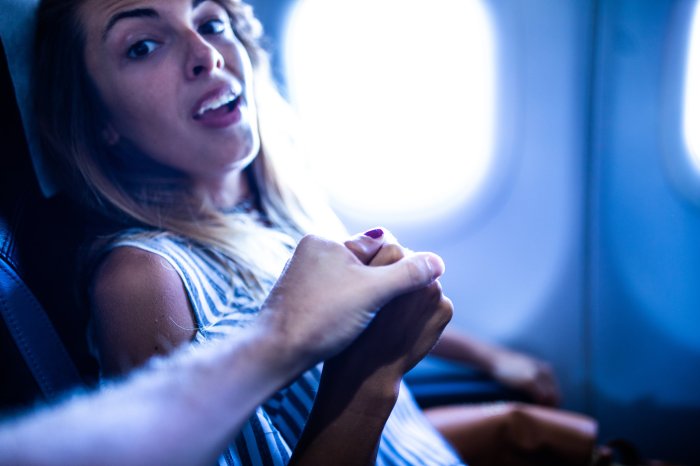
Phobia symptoms are like a surprise party for your mind—except instead of cake and balloons, you get sweat and panic! Imagine being terrified of a harmless garden gnome while your friends are just giggling behind their hands. What’s that all about? Phobias bring a cocktail of emotional and physical reactions that can really crash your daily life party and leave you feeling like a piñata at a kids’ birthday bash!
In this adventure, we will dive into the common symptoms that accompany various phobias, explore the relationship between mental health and these quirky fears, and even touch on some therapeutic techniques that may help calm the storm. So, buckle up, because we’re about to explore the rollercoaster ride of phobia symptoms!
Phobia Symptoms Overview
Phobias may seem like mere inconveniences, but they can transform a simple trip to the grocery store into an expedition worthy of Indiana Jones. Understanding phobia symptoms is crucial, not only for those who experience them but also for friends and family who want to support their loved ones. Let’s dive into the emotional and physical rollercoaster that is a phobic episode—no seatbelt required!The symptoms of phobias can be quite theatrical, featuring a range of emotional and physical reactions that can turn anyone into a master of dramatic flair.
Picture this: your heart starts racing like it’s auditioning for a role in a fast-paced action movie, your palms become as sweaty as if you’ve just walked into a sauna, and your brain is screaming, “Run for the hills!” This is just a taste of what happens when phobia symptoms kick in.
Common Symptoms of Phobias
When phobias strike, they do so with a flair of unpredictability. The symptoms can vary widely from one individual to another, but there are some common experiences that most phobia sufferers can relate to. Here’s a rundown of those memorable moments:
- Palpitations: Your heart races faster than a cheetah on roller skates, often feeling like it’s trying to escape your chest.
- Sweating: You might feel like you just won a marathon, even if you’re sitting snugly on your couch.
- Dizziness: It feels as if the world is doing a spin class without you, leading to a sensation of unsteadiness.
- Shortness of Breath: Breathing can feel like trying to inhale through a thin straw, making you ponder the merits of fresh air.
- Fear of Losing Control: The mind races with scenarios of worst-case outcomes—cue the dramatic music!
- Nausea: The stomach churns like a washing machine, leaving you wishing you’d opted for a lighter breakfast.
These symptoms aren’t just fleeting annoyances; they can significantly disrupt daily life. When your phobia barges into the scene, even mundane tasks can feel monumental.
Impact on Daily Life Activities
Phobias can wreak havoc on daily routines, making the simplest errands feel like scaling Mount Everest. Imagine trying to navigate through a crowded mall with a fear of crowds; it’s like playing dodgeball with a thousand people aiming directly for you. The impact of phobia symptoms on everyday activities can be profound and often leads to avoidance behavior.Individuals may find themselves crafting elaborate excuses to stay home, avoiding situations that could trigger their phobia, or even altering their daily schedules to dodge potential stressors.
Here’s how phobias can color one’s daily existence:
- Social Withdrawal: Events like parties or family gatherings may be avoided, leading to isolation and a sense of missing out on life’s joyful moments.
- Job Limitations: Certain phobias can hinder career prospects, especially if they involve public speaking or travel, leaving many feeling trapped in a box labeled “Comfort Zone.”
- Relationship Strain: Phobias can create tension in relationships when loved ones don’t fully grasp the phobia’s impact, leading to misunderstandings.
- Increased Anxiety: The anticipation of encountering a phobic trigger can cause heightened anxiety in everyday situations, turning the world into a minefield of potential triggers.
In summary, phobias add a unique twist to the plot of life, transforming the mundane into the extraordinary and often requiring a little extra support and understanding. When we explore these symptoms, we uncover the human experience in all its complexity and humor—even in the face of fear!
Health and Phobias
Phobias are not just quirky fears that make for good party stories; they have a surprisingly significant relationship with mental health. Imagine being on a rollercoaster of emotions where the only track is made of anxiety and panic. Phobias can transform ordinary situations into wild, heart-pounding adventures—just not the fun kind. They can wreak havoc on your mental wellbeing and overall health, making it crucial to understand their impact and find effective ways to manage them.The relationship between mental health and phobias is akin to peanut butter and jelly—they go hand in hand, often resulting in a sticky situation.
When someone grapples with phobias, it can lead to an assortment of health issues such as depression, anxiety disorders, and even physical ailments like headaches or stomach problems. Research indicates that phobias can induce a chronic state of anxiety which, over time, can contribute to cardiovascular issues, weakened immune response, and digestive troubles. After all, when you’re busy dodging imaginary monsters like spiders or flying in a plane that feels more like a tin can than a flying machine, your body isn’t exactly operating at peak performance.
Therapeutic Approaches for Managing Phobia Symptoms
Managing phobia symptoms often requires a toolbox full of therapeutic approaches, because let’s face it—running away from your fears is only effective if you can outrun them. Here are some widely used methods that can help even the most skittish among us tackle those pesky phobias:
1. Cognitive Behavioral Therapy (CBT)
This approach helps individuals reframe their thoughts and behaviors regarding their phobias. It’s like giving your mind a fresh coat of paint, but instead of a new color, you get a new perspective.
2. Exposure Therapy
Gradual exposure to the source of fear can help desensitize individuals. It’s like introducing someone to a cute puppy only to find out they were actually terrified of dogs. With a little time, they might just end up adopting one!
3. Mindfulness and Relaxation Techniques
Techniques such as deep breathing, meditation, or yoga can help reduce anxiety. Think of this as giving your anxious thoughts a spa day, allowing them to unwind and relax.
4. Medication
In some cases, doctors may prescribe anti-anxiety medications or antidepressants. This can serve as a helpful crutch while individuals work through their fears. Consider it a safety net for those high-wire acts of courage.
5. Support Groups
Connecting with others who share similar phobias can provide comfort and validation. It’s like finding a club where everyone understands that the mere mention of “cockroach” can send shivers down your spine.Understanding and addressing the intersection of health and phobias can significantly improve one’s quality of life. By employing therapeutic approaches, individuals can reclaim their lives and transform their fears from terrifying monsters into mere bumps in the road.
Pain Management and Phobias
When phobias take the stage, they often bring along a sidekick: anxiety. This pesky duo can sometimes lead to physical discomfort that feels as real as your fear of flying or spiders. Luckily, there are various techniques to help manage pain associated with these anxieties, ensuring you don’t feel like you’re auditioning for a horror movie every time you encounter your phobia.
This section will reveal some effective strategies to keep that pain in check while you’re navigating the twists and turns of your fears.
Pain Management Techniques for Anxiety
When fear strikes, it can manifest not only in the mind but in the body as well. Therefore, managing the physical symptoms of anxiety is crucial for those dealing with phobias. Here are several techniques that can help ease the pain:
- Deep Breathing: Often underrated, deep breathing can be your first line of defense against anxiety-related discomfort. Picture yourself as a deflating balloon; inhale deeply, and let all that tension float away with a slow exhale. With each breath, you’re not just calming your mind, but also signaling your body to relax.
- Progressive Muscle Relaxation: This technique involves tensing and then relaxing various muscle groups, starting from your toes and working your way up to your head. It’s like a workout, but without the sweat and spandex.
- Mindfulness Meditation: By focusing on the present moment and accepting it without judgment, you can reduce anxiety and the physical pain that tags along. Think of it as giving your mind a mini-vacation from all those phobic thoughts.
- Visual Imagery: Imagine your happy place—be it a serene beach or a cozy coffee shop. By picturing this paradise, you can distract your brain from the anxious thoughts that might be making your body tense up like a pretzel.
Role of Physical Therapy in Alleviating Symptoms
Physical therapy can be a game-changer for those experiencing physical symptoms related to their phobias. It’s not just about rehabilitating an injury; it can also play a vital role in managing the discomfort that arises from anxiety. Therapists often use a combination of exercises, manual therapy, and education to help ease your woes and enhance your overall well-being.Consider this: when you engage in physical therapy, you’re not just attending another appointment; you’re effectively training your body to respond to anxiety differently.
Imagine a superhero squad of stretches, strength exercises, and relaxation techniques working together to relieve tension and give you the tools to handle your phobia-induced discomfort.
Comparison of Traditional and Holistic Approaches
When it comes to pain management for phobia-related discomfort, there’s a classic showdown going on between traditional and holistic methods. Each approach has its champions, and understanding their strengths can help you find the right fit for your needs.Traditional methods often involve medications like anti-anxiety drugs or pain relievers. While these can be effective, they may come with side effects that make you feel like a walking pharmacy.
On the flip side, holistic approaches—like acupuncture, yoga, and herbal remedies—focus on treating the whole person rather than just the symptoms. Picture it as a spa day for your mind and body, where you’re not just trying to kick the pain, but also embracing a lifestyle that nurtures your overall health.In summary, the journey of managing pain associated with phobias can take many paths.
Whether you’re opting for traditional routes or exploring holistic alternatives, the key is to find what works best for you—because life is too short to be ruled by fear (or pain!).
Health Strategies to Overcome Phobias
Phobias, those pesky little gremlins of the mind, can often feel like a comedy of errors where the punchline is hiding right behind your fear of spiders or public speaking. Fortunately, tackling these fears doesn’t need to be a solo act; we can hit the stage with some health strategies that not only set the mood for resilience but also create a supportive environment where we can joke with our phobias instead of letting them control the script.To truly banish these fears, we need a plan that mixes nutrition, exercise, and even some self-hypnosis magic.
Just like a great recipe, the right blend of these elements can spice up your mental health and help you confront those fears with gusto. Let’s dive into some techniques that can turn the tables on your phobias.
Nutrition and Exercise for Mental Health
Imagine your brain as a high-performance car; it needs premium fuel to run like a dream. Nutrition plays a big role in how we feel, especially when it comes to managing anxiety and phobias. Here’s how you can rev up your health engine:Eating a balanced diet rich in fruits, vegetables, whole grains, and lean proteins can provide the nutrients your brain craves.
Foods high in omega-3 fatty acids, like salmon and walnuts, can help boost mood and reduce anxiety. Stay clear of excess sugars and caffeine that can make you feel jittery—unless, of course, you’re trying to outrun a spider!Equally important is exercise. Regular physical activity not only keeps your body in shape but also releases endorphins, those little feel-good hormones that can chase away the blues and bolster your courage.
Here are some effective ways to incorporate movement into your routine:
- Cardio Workouts: Activities like running, dancing, or even brisk walking can help lower anxiety levels and improve mood.
- Mindfulness Exercises: Yoga and tai chi blend physical movement with deep breathing, perfect for calming the mind and facing fears.
- Strength Training: Building physical strength can enhance mental resilience, making you feel more capable of tackling phobias.
Self-Hypnosis Script for Reducing Phobia Symptoms
Self-hypnosis is like giving your mind a spa day, allowing it to relax and reset. By harnessing the power of visualization and suggestion, you can gently guide yourself away from fear. Here’s a simple script to help you on your journey to phobia recovery:
- Find a quiet place where you can sit comfortably.
- Close your eyes and take several deep breaths, letting go of tension with each exhale.
- Visualize a peaceful place—a beach, a garden, or even a cozy café.
- As you breathe, repeat to yourself: “I am calm, I am safe, I am in control.”
- Picture yourself facing your phobia with confidence, imagining each interaction going smoothly.
- When you’re ready, slowly bring your attention back to the room and open your eyes.
With regular practice, this technique can help you rewire your brain to respond to phobias with confidence rather than panic.
Personal Training Methods for Phobia Confrontation
When facing phobias, having a trusty sidekick—a personal trainer—can add a splash of humor to the situation! Here are some foolproof methods that trainers often use to help you confront your fears in a structured and supportive manner:
1. Gradual Exposure
Just like peeling an onion, tackle your fears layer by layer. Start with less intimidating scenarios before diving into the deep end.
2. Role-Playing
Practicing situations that trigger fear can turn the tension into a laugh-out-loud improv session—who knew facing fears could be so theatrical?
3. Positive Reinforcement
Celebrate your successes, no matter how small. Did you manage to stand near a spider? Throw yourself a little party—balloons and confetti included!
4. Visualization Techniques
Imagining yourself conquering a phobia can be like rehearsing for an epic movie role; it gets you ready for the real scene.By adopting these strategies, you not only build a fortress of mental strength but also add a sprinkle of humor to the serious business of overcoming phobias. With the right nutrition, exercise, self-hypnosis, and personal training methods, you can transform your relationship with fear into a manageable, and sometimes laughable, part of life’s grand adventure.
End of Discussion

In conclusion, phobia symptoms can turn the everyday into a heart-pounding thriller, but understanding them can help you rewrite your own script. With the right strategies and a sprinkle of humor, you can turn fear into fun and reclaim your daily life from the clutches of these sneaky phobias. So, whether it’s tackling that gnome or facing a fear of heights, remember—you’re not alone in this peculiar journey!
FAQs
What are common physical symptoms of phobias?
Common physical symptoms include sweating, rapid heartbeat, trembling, and a feeling of dizziness.
Can phobias develop later in life?
Yes, phobias can develop at any age, often triggered by a specific event or experience.
Are phobias treatable?
Absolutely! Various therapies, including cognitive-behavioral therapy and exposure therapy, can effectively treat phobias.
How do phobias affect daily life?
Phobias can interfere with daily activities, relationships, and overall mental health, making it challenging to engage in certain situations.
Is medication helpful for managing phobias?
In some cases, medications like antidepressants or anti-anxiety drugs may help alleviate symptoms, but they are best used alongside therapy.