Quit smoking hypnosis for a smoke-free life adventure

Hypnosis quit

Welcome to the smoky abyss, a realm where your lungs scream for help and your willpower is lurking behind the couch! But fear not, for “Quit smoking hypnosis” is here to whisk you away on a journey of mind-bending possibilities. Imagine trading that pack of cigarettes for a treasure map that leads to a healthier, happier you—complete with an exhilarating plot twist!

Hypnosis is not just magic tricks and swinging pendulums; it’s a profound technique that can help you kick the unhealthy habit of smoking. From the art of self-hypnosis to a delightful comparison with traditional quitting methods, this guide promises an engaging exploration of how you can bid farewell to nicotine while embracing a life bursting with vitality and newfound joy.

Quit Smoking Techniques

Hypnosis quit

Quitting smoking can feel like trying to teach a cat to fetch: challenging, frustrating, and often met with resistance. However, there are various techniques available, with hypnosis emerging as a surprisingly effective option. Let’s dive into the world of smoking cessation techniques, focusing particularly on hypnosis, and see how it stacks up against traditional methods.The concept of hypnosis in quitting smoking revolves around the idea of tapping into the subconscious mind to alter behaviors and beliefs.

Hypnosis is not some magical spell but rather a state of focused concentration where the individual is more open to suggestions. This technique aims to change your perception of smoking, helping to diminish cravings and reinforce the decision to quit. Imagine a kind and gentle voice telling you that you no longer desire that cigarette, as if it were a pesky ex who just won’t take the hint!

Comparison of Hypnosis and Traditional Methods of Quitting Smoking

When comparing hypnosis to traditional methods of quitting smoking, it’s essential to look at their effectiveness, approach, and user experience. Traditional methods, such as nicotine patches, gum, or medication, often rely on physical interventions. They supply nicotine in controlled doses to help reduce withdrawal symptoms, but they don’t address the psychological aspects of addiction.In contrast, hypnosis focuses on the mental side of smoking cessation.

Here’s a closer look at the differences:

Aspect Hypnosis Traditional Methods
Approach Mind-centered; changes perceptions and cravings Body-centered; manages withdrawal symptoms
Duration Often a single session can lead to lasting change May require ongoing use of products for weeks or months
Side Effects Minimal; mostly positive mental shifts Possible side effects from medications and patches
Cost Can be one-time fee for sessions Recurring costs for products like gum or patches

“Hypnosis may help you kick the habit without the patch, gum, or a major dent in your wallet!”

Self-Hypnosis Techniques for Smoking Cessation

Self-hypnosis is a fantastic tool for those looking to quit smoking, allowing individuals to tap into their subconscious minds without needing a professional hypnotist. Here are some techniques that can help you on this journey:

1. Relaxation Techniques

Start with relaxation methods such as deep breathing or progressive muscle relaxation. This helps to calm the mind and prepare it for positive suggestions.

2. Visual Imagery

Picture yourself in a smoke-free life. Imagine the fresh air filling your lungs, the scents of nature, and the happiness that comes with freedom from smoking. Visualization reinforces the desire to quit.

3. Positive Affirmations

Create affirmations like “I am a non-smoker” or “Every day, I am stronger and healthier.” Repeat these to yourself daily, especially when cravings hit.

4. Cue Control

Identify situations or triggers that make you want to smoke. Use self-hypnosis to create new associations with these cues. For example, if you usually smoke with your coffee, visualize enjoying your coffee without a cigarette.

5. Recording Sessions

Record your own guided hypnosis sessions. Use calming music in the background and speak your affirmations and visualizations clearly. Listen to this recording whenever you feel the urge to smoke.By employing these self-hypnosis techniques, you’re not just fighting against cravings; you’re embracing a new identity as a non-smoker, one day at a time.

Health Impacts of Smoking

Smoking is like inviting a bull to a china shop; it’s bound to cause chaos, and the aftermath can be downright disastrous, especially for your health. The effects of smoking extend well beyond the obvious risks, sneaking into your nutritional status and personal fitness like an uninvited guest at a party. Let’s dive into the nitty-gritty of how smoking affects your body, especially when it comes to nutrition and overall health.

Nutritional Deficiencies Caused by Smoking

Smoking can significantly derail your body’s nutritional balance, leaving it as bare as a squirrel’s winter stash in spring. The toxic chemicals in cigarettes can hinder your body’s ability to absorb essential nutrients, leading to a range of deficiencies. Here are some of the key nutrients that are often lacking in smokers:

  • Vitamin C: Smokers may require up to 35 mg more vitamin C daily than non-smokers, as smoking depletes this antioxidant powerhouse.
  • Vitamin A: The absorption of beta-carotene, a precursor to vitamin A, is compromised in smokers, which can impact vision and immune function.
  • Folate: Smoking can lower folate levels, which is crucial for DNA synthesis and repair, potentially leading to further health complications.
  • Vitamin E: This vitamin, which plays a role in protecting cells from damage, is often found at reduced levels in smokers.

The lack of these essential nutrients can lead to a weakened immune system, increased susceptibility to infections, and a general decline in health—perfectly illustrated by the expression, “you are what you eat,” with an added twist: “unless you smoke, then you might just be a nutrient-deficient walking miracle.”

Connection Between Smoking, Obesity, and Weight Management

While smoking may initially suppress appetite, the relationship between smoking and weight management is more convoluted than a pretzel at a carnival. Smokers often experience weight fluctuations, and paradoxically, smoking is linked to an increased risk of obesity after cessation. Here’s why:

  • Metabolic Rate: Nicotine can elevate basal metabolic rate; however, when individuals quit smoking, the metabolism can slow down, leading to weight gain.
  • Cravings: The craving for cigarettes can be replaced with cravings for high-calorie comfort foods, making it easy to pack on the pounds.
  • Insulin Resistance: Smoking can lead to insulin resistance, contributing to a greater risk of developing type 2 diabetes and additional weight gain.

Therefore, while many may believe that smoking is a surefire way to keep the weight off, the reality is a rollercoaster ride of fluctuating weight and health risks.

Common Health Issues Associated with Smoking

Smoking is not just bad for your lungs; it’s like a multi-faceted villain in a superhero movie, attacking various aspects of health. The implications for personal training and physical therapy are significant, as these conditions can severely interfere with fitness goals. Some of the prevalent health issues include:

  • COPD (Chronic Obstructive Pulmonary Disease): This includes chronic bronchitis and emphysema, which can severely limit physical activity and pulmonary function.
  • Cardiovascular Diseases: Smokers are at a higher risk for heart disease and stroke, increasing the need for careful monitoring during physical activities.
  • Cancers: Smoking is a leading cause of various cancers, particularly lung cancer, which complicates rehabilitation efforts.
  • Osteoporosis: Smoking can lead to bone density loss, making injuries from falls more likely as one ages.

The interplay between these health issues and fitness is complex and requires tailored strategies from personal trainers and physical therapists who must navigate the unique challenges posed by a smoker’s health profile. With all these points in mind, it’s clear that smoking’s impact stretches far and wide, affecting everything from your nutrient absorption to your workout regimen.

Integrative Approaches to Smoking Cessation

Quit smoking hypnosis

Quitting smoking is akin to trying to climb Mount Everest; it can be daunting, but with the right gear and a solid plan, you can reach the summit of a smoke-free life. Integrative approaches that combine various therapies can help you not only kick the habit but also soar above the obstacles that often accompany the journey. Let’s dive into how to design a comprehensive quitting plan that blends physical therapy, nutrition, and the magical power of hypnosis.

Comprehensive Quitting Plan

A well-rounded quitting plan resembles a perfectly balanced diet—each component plays a crucial role in your journey towards freedom from tobacco. By integrating physical therapy, nutrition, and hypnosis, you can create a robust support system that targets both mind and body.

  • Physical Therapy: Engaging in regular physical activity helps restore lung function and reduce withdrawal symptoms. Consider activities like yoga or swimming which promote deep breathing and relaxation.
  • Nutrition: Fuel your body with foods rich in antioxidants, vitamins, and minerals that support lung health. Incorporating leafy greens, berries, and omega-3 fatty acids can help detoxify your system and repair damage from smoking.
  • Hypnosis: Hypnosis can rewire your subconscious mind, replacing cravings with positive affirmations. A trained hypnotist can guide you into a state of relaxation where you feel empowered to resist the urge to smoke.

“Mind over matter is not just a cliché; it’s your ticket to a smoke-free future!”

Popular Diets Supporting Lung Health

When it comes to ditching the cigarettes, what you eat can make a world of difference. Certain diets are especially effective in promoting lung health and helping your body detoxify after quitting smoking. Here’s a guide to some popular diets that can help clear the smoke from your life and your lungs.

  • Mediterranean Diet: This diet focuses on fruits, vegetables, whole grains, legumes, nuts, and olive oil. With its anti-inflammatory properties, it supports lung function and overall health.
  • Plant-Based Diet: Rich in fiber and phytochemicals, a plant-based diet helps combat oxidative stress and enhances lung capacity. Think of it as a reboot for your respiratory system!
  • Detox Diets: These diets emphasize the consumption of detoxifying foods like garlic, ginger, and green tea, which can help cleanse your system and restore lung health post-smoking.

“Detoxing is like cleaning out the attic; it’s a bit of a hassle, but oh-so-satisfying when it’s done!”

Managing Anxiety and Phobias through Self-Hypnosis

Anxiety and phobias can be unwelcome companions on your quitting journey, but self-hypnosis can help you manage these pesky feelings. By tapping into the power of your mind, you can transform fear into calmness, making the path to cessation much smoother.

  • Visualization Techniques: Picture yourself as a non-smoker enjoying life’s little pleasures without the crutch of cigarettes. This mental imagery can reinforce your resolve.
  • Deep Breathing Exercises: Pair self-hypnosis with deep breathing to promote relaxation. Inhale positivity, exhale negativity—it’s like magic!
  • Affirmations: Craft affirmations that resonate with you. Phrases like “I am stronger than my cravings” can empower you during moments of weakness.

“When anxiety knocks, let self-hypnosis answer the door and show it the way out!”

Ending Remarks

So, as we wrap up this rollercoaster ride through the enchanting world of “Quit smoking hypnosis,” remember that every puff you let go of is a step toward a brighter tomorrow. With techniques that blend the power of your mind and the promise of a smoke-free life, you’re equipped for a triumphant exit from the clutches of addiction. Now go forth, dear reader, and conquer those cravings with a grin!

FAQ Compilation

What is quit smoking hypnosis?

It’s a technique that uses the power of suggestion and relaxation to help you overcome the urge to smoke.

Is hypnosis a proven method to quit smoking?

Yes! Many studies suggest that hypnosis can be effective, especially when combined with other quitting methods.

How many sessions of hypnosis do I need?

Typically, 1-3 sessions are recommended, but it can vary depending on individual needs and responses.

Can I practice self-hypnosis on my own?

Absolutely! With the right techniques, you can effectively practice self-hypnosis to support your quitting journey.

Are there any side effects of hypnosis?

Generally, hypnosis is safe, but some people may experience dizziness or anxiety during or after a session.

Smoke-free life Transform Your Health and Happiness

Smoke relief road series life

Smoke-free life is not just a catchy phrase; it’s a ticket to the vibrant carnival of health and joy! Imagine a world where you can chase down a bus without wheezing like an asthmatic walrus. In this journey, we’ll uncover how ditching the smokes can not only breathe new life into your lungs but also sprinkle a dash of nutritional magic into your meals and help you kick pain to the curb with flair.

We’ll explore the delightful relationship between good nutrition and a smoke-free existence, whisking you through a fabulous diet plan that’s bursting with nutrients. Add in some creative pain management techniques and a personalized training program, and you’ll be well on your way to becoming the healthiest version of yourself, all while having fun and feeling fabulous!

Health and Nutrition

Smoke relief road series life

A smoke-free life doesn’t just brighten your lungs; it also brings a cornucopia of benefits to your plate! When you kick the habit, your taste buds can finally taste the rainbow instead of just ash. Quitting smoking is a transformative journey that leads to healthier nutritional choices and a more vibrant lifestyle. Let’s explore the delightful connection between ditching cigarettes and leveling up your nutrition game!

Relationship Between a Smoke-Free Life and Improved Nutrition

The moment those cigarettes are extinguished, your body starts to play catch-up, and that includes your nutrition. Smokers often experience diminished taste and smell, which can lead to a less varied diet, leaning towards processed and sugary foods that offer instant gratification. However, a smoke-free life allows your senses to recover and, just like an overcaffeinated squirrel, you’ll find yourself more inclined to try nutritious foods bursting with flavor and color.

When the smokescreen clears, you’ll likely crave fresh fruits, veggies, and whole grains, all of which can help repair the damage done by years of inhaling smoke. For instance, vitamin C-rich foods such as oranges and strawberries can enhance lung health, while antioxidants from vegetables help combat inflammation. Embracing these nutrient-rich options improves overall health and can even give your skin a radiant glow, leaving you looking less like a weathered pirate and more like a sun-kissed adventurer!

Smoke-Free Diet Focused on Nutrient-Rich Foods

Adopting a smoke-free diet is like getting a new wardrobe for your insides; it’s all about making those nutritional choices that flatter your health. Here’s a detailed plan to help you fill your pantry with the essentials for a smoke-free lifestyle. Start with a colorful array of fruits and vegetables. The goal is to fill your plate with nature’s candy.

For breakfast, think smoothies packed with spinach, bananas, and a scoop of protein powder—not the kind that makes you feel like you’re drinking chalk, but the tasty kind! Lunch could include a quinoa salad loaded with veggies and topped with a zesty lemon vinaigrette. For dinner, roasted salmon with a side of steamed broccoli could not only tantalize your taste buds but also provide essential fatty acids and nutrients.To help visualize this delicious transformation, consider the following nutrient-rich foods to include in your diet:

  • Fruits: Apples, oranges, berries, and bananas—nature’s sweeteners that keep your energy levels high without the crash!
  • Vegetables: Broccoli, spinach, carrots, and bell peppers—these vibrant veggies will have you singing “I’m a Believer!” about healthy eating.
  • Whole Grains: Quinoa, brown rice, oats—your new best friends that will keep you full and fueled for all your adventures.
  • Lean Proteins: Chicken, turkey, legumes, and fish—because muscles need love too!
  • Nuts and Seeds: Almonds, chia seeds, walnuts—tiny powerhouses of nutrients that add a satisfying crunch to your meals.

Impact of Smoking on Metabolism and Nutritional Needs

Smoking doesn’t merely cloud your lungs; it plays tricks on your metabolism as well. Nicotine can spike your metabolic rate temporarily, leading many smokers to believe they’re burning calories faster, when in reality, it’s more like a mischievous little goblin stealing away nutrients. When you quit, your metabolism may initially slow down, which can mean your body demands a different set of nutritional needs.As your metabolism stabilizes post-quitting, it’s crucial to adjust your diet to support your body’s new rhythm.

You might experience cravings and a tendency to snack more, so focusing on whole foods that are high in fiber and protein will help manage hunger while keeping your calorie intake in check. To facilitate this metabolic transition, consider the following tips:

  • Stay Hydrated: Water is your new best friend! It helps maintain metabolism and keeps cravings at bay.
  • Smaller, Frequent Meals: Instead of three large meals, try five smaller ones packed with nutrients to support your metabolism.
  • Incorporate Exercise: Physical activity will give your metabolism a boost and help balance any potential weight gain.
  • Monitor Portion Sizes: Paying attention to serving sizes can help prevent the dreaded post-quitting munchies.

“A smoke-free life enhances not only your health but also your appetite for life itself!”

Pain Management

Quitting smoking is like breaking up with a clingy ex—at first, it’s painful, but in the long run, you feel liberated! Among the numerous benefits of living a smoke-free life, one of the most significant is the relief from various pain issues. As your body begins to heal, you may notice that certain aches and discomforts dissipate like a bad memory.

Let’s dive into the world of pain management for our newly smoke-free friends and explore the wonders of living without that pesky addiction.Pain from smoking can manifest in various forms, such as chronic headaches, back pain, and even joint discomfort. The connection lies in the way smoking affects your circulatory system and the oxygen supply to your tissues. Once you quit, your body begins to rejuvenate, blood flow improves, and, voila! You may find those nagging pains start to fade.

It’s almost as if your body is saying, “Thank you for freeing me from that toxic relationship!”

Non-Pharmaceutical Pain Management Strategies

Exploring pain management strategies that don’t involve popping pills is crucial for those embarking on a smoke-free journey. Here are some remarkable options to consider, each designed to bring those pain levels down without the side effects of medication.

  • Physical Activity: Exercise releases endorphins, the body’s natural painkillers. So, get moving! Whether it’s a brisk walk or a Zumba class that feels more like a dance party, finding your groove can help alleviate discomfort.
  • Meditation and Mindfulness: Picture yourself on a serene beach, waves gently lapping at your feet. Meditation can help lower stress and diminish the perception of pain. Plus, it’s a great excuse to sit quietly for a few minutes, which we all need!
  • Warm Baths and Heat Therapy: Soaking in a warm bath is like a mini-vacation for your muscles. Heat therapy can increase blood flow and relax tense areas, making it an excellent tool for pain relief.
  • Acupuncture: This ancient practice involves placing needles in specific points to relieve pain. It may sound prickly, but many people swear by its effectiveness!
  • Massage Therapy: Treat yourself to a massage. Not only will you feel like a million bucks, but your tension and pain can decrease significantly. Who knew relaxation could be so beneficial?

Managing Withdrawal Pain

When quitting smoking, withdrawal symptoms can feel like a rollercoaster ride you never wanted to be on. Withdrawal pain, often manifesting as irritability, headaches, and cravings, can be challenging. However, several techniques can help ease this discomfort.Engaging in distraction techniques is one effective way to manage withdrawal pain. Consider diving into a new hobby—whether it’s painting like Picasso or baking like a master chef, keeping your hands and mind busy can help.

Additionally, staying hydrated is key; drinking plenty of water can help flush out toxins and reduce some withdrawal symptoms.

“Remember, every craving you resist is a victory for your smoke-free future!”

Breathing exercises can also be your best friend during this tough time. Deep, slow breaths help reduce anxiety and ease physical tension. Imagine inhaling positivity and exhaling negativity—it’s like yoga but without the need for stretchy pants! Finally, connecting with support groups can provide both emotional support and practical advice, making you feel less isolated during this transition. Sharing your experiences with others can make withdrawal feel like less of a solitary battle and more of a shared journey.

Personal Training

In the grand circus of life, quitting smoking is like finally stepping off the tightrope of tobacco-induced chaos. But wait! This act isn’t over yet. You’ve ditched the smokes, and now, it’s time to juggle your health with some physical activity that’ll have you performing acrobatics in no time. Designing a personal training program specifically for those who’ve recently quit smoking can be as refreshing as a cool breeze on a hot summer day.

It’s not just about busting a move; it’s about revitalizing your lungs and embracing your newfound freedom!Regular physical activity plays a vital role in the transition to a smoke-free lifestyle. It helps in flushing out toxins, improving lung function, and even boosting your mood. The benefits are as plentiful as popcorn at a movie—every pop brings with it a burst of goodness! Exercise can reduce cravings, alleviate withdrawal symptoms, and help prevent weight gain, which can sometimes sneak up like a ninja after quitting smoking.

Designing a Personal Training Program

Creating a personal training program for recent quitters is like crafting a masterpiece—every stroke counts! The key is to start gradually and build up intensity while keeping things fun and engaging. Here’s a peek into what an ideal program might look like:

1. Warm-Up and Stretching

Start with a good 10-15 minutes of dynamic stretching. Think of this as getting your body ready for the show! Encouraging mobility will help unlock tight muscles and get the blood flowing like a river of enthusiasm.

2. Cardiovascular Training

Engaging in low-impact cardio like brisk walking, cycling, or swimming is essential. Aim for 20-30 minutes, three to five times a week. This is your chance to let your heart sing and your lungs breathe easy.

3. Strength Training

Incorporate bodyweight exercises such as squats, lunges, and push-ups. This helps rebuild muscle strength lost during smoking. Aim for 2-3 sessions per week with a focus on the major muscle groups.

4. Flexibility and Breathing Exercises

Yoga or Pilates can be a game-changer. These disciplines not only improve flexibility but also enhance lung capacity, making your breaths count!

5. Cool Down

Don’t forget to wrap it up with a cool down! A gentle walk and some static stretching will send you off with a gentle wave rather than a dramatic curtain drop.The importance of these activities cannot be overstated. They not only aid in lung recovery but can also reinvigorate your spirit and provide you with a sense of accomplishment.

“Movement is a medicine for creating change in a person’s physical, emotional, and mental states.” – Carol Welch

Fitness Strategies for Lung Recovery

Various fitness strategies can aid in lung recovery after quitting smoking. Here’s a blend of approaches that are as diverse as a box of assorted chocolates:

Breath-Training Exercises

Focusing on deep breathing techniques can significantly improve lung capacity. Activities like diaphragmatic breathing and pursed-lip breathing can be very effective.

Gradual Intensity Increases

It’s important to start easy and gradually increase the intensity of your workouts. Just like a fine wine, let your lungs breathe in the goodness over time.

Incorporate Aerobic Activities

Engaging in aerobic exercises, such as walking, cycling, or dancing, helps in enhancing respiratory endurance. A little shimmy here and there never hurt anyone!

Join Group Classes

Sometimes, having a support system can be beneficial. Joining a group class can offer motivation and a sense of camaraderie, making exercise feel less like a chore and more like a party!

Monitor Progress

Keeping track of improvements in lung function and fitness levels can be incredibly motivating. Consider keeping a journal or using fitness apps to track your journey and celebrate milestones.Incorporating these strategies into a personal training program can transform the act of quitting smoking into a vibrant celebration of life. Each step taken is a victory—so throw on your workout gear, and let the fitness festivities begin!

Concluding Remarks

Smoke-free life

In conclusion, embracing a smoke-free life is like stepping into a world where every breath is a celebration and pain is more of a distant memory than a constant companion. By nourishing your body, managing pain creatively, and engaging in invigorating physical activity, you’re not just quitting smoking; you’re setting the stage for a spectacular new chapter filled with health, vitality, and a whole lot of laughter.

So, are you ready to kick that habit and start living like a superstar? You’ve got this!

Question Bank

What are the benefits of a smoke-free life?

A smoke-free life can lead to better lung function, improved heart health, and a stronger immune system, not to mention fresher breath and whiter teeth!

How long does it take to see health improvements after quitting?

Many improvements can be felt within days, such as better breathing and increased energy, with significant health benefits seen over several months.

Can I gain weight after quitting smoking?

It’s possible due to changes in metabolism and cravings for snacks, but with a balanced diet and exercise, you can manage your weight effectively!

What can I do to manage cravings?

Staying active, chewing gum, and practicing relaxation techniques can help distract you and reduce cravings.

Is it okay to use nicotine replacements?

Yes, nicotine replacement therapies can be a helpful tool to ease withdrawal symptoms and increase your chances of successfully quitting.

Alkaline diet the secret to vibrant health and weight loss

Alkaline diet

Imagine a world where your food not only fills your belly but also gives your body a pep in its step! Welcome to the Alkaline diet, where veggies ditch their roots in acidity and embrace a life of balance.

This diet champions the idea that food can influence your body’s pH levels, leading to better health, weight management, and a plate full of nutritious goodies. Get ready to explore the rainbow of alkaline foods that are not just good for you but also make your taste buds dance like nobody’s watching!

Health and Nutrition

The alkaline diet might initially sound like a chemistry class gone rogue, but it’s really just about keeping your body’s pH levels in check, while embracing a buffet of deliciously nutritious foods. Imagine a world where you can munch on green veggies without feeling like a rabbit—welcome to the alkaline lifestyle! By focusing on alkaline-forming foods, you can promote better health, quench your thirst for energy, and potentially fend off those pesky weight gain battles.The principles of the alkaline diet revolve around the idea that maintaining a slightly alkaline pH in the body can boost overall health.

This approach encourages the consumption of foods that minimize acidity, making you feel as sprightly as a squirrel on espresso. An alkaline environment is thought to reduce inflammation, support digestion, and enhance energy levels, while also providing a great starting point for those looking to shed a few pounds. Let’s dive deeper into the juicy details!

Alkaline Foods and Their Nutritional Benefits

Eating alkaline foods is like giving your body a fresh coat of paint—it revitalizes and restores! Here’s a collection of foods that not only make your taste buds dance but also pack a nutritional punch:

  • Leafy Greens: Spinach, kale, and Swiss chard are not just for Popeye. They’re high in vitamins A, C, and K, plus minerals like magnesium and calcium. A nutrient-packed salad can turn anyone into a superhero.
  • Fruits: Avocados, lemons, and berries are low in sugar and high in antioxidants. Think of them as your personal bodyguards against oxidative stress!
  • Nuts and Seeds: Almonds and chia seeds boost healthy fats and protein, giving you the strength of a thousand almonds! They also help keep you full and satisfied.
  • Cruciferous Vegetables: Broccoli, cauliflower, and Brussels sprouts can transform you into a veggie warrior with their cancer-fighting properties. Plus, they make great conversation starters at dinner parties.

These foods contribute not just to a balanced diet, but they can also make your body sing with joy while keeping those unwanted pounds at bay. By embracing this vibrantly colorful selection of edibles, you can support weight management and enhance your overall health without sacrificing flavor or fun.

The right foods can be the difference between feeling sluggish and feeling like you could run a marathon… or at least walk briskly to the fridge!

The alkaline diet isn’t just a trendy fad; it’s a lifestyle that encourages mindful eating while boosting your health. By piling your plate high with these alkaline marvels, you’re not just feeding your body; you’re nourishing your soul and perhaps even encouraging your friends to join the alkaline party. Remember, the more colorful your plate, the better your health will be—and it’s a lot more fun than counting calories!

Health and Obesity

Alkaline diet

When it comes to the battle against obesity, the alkaline diet might just be your unexpected sidekick, ready to swoop in and save the day. Picture this: while traditional diets may focus solely on calorie counts and portion sizes, the alkaline diet brings pH balance into the spotlight, aiming to reduce fat storage and promote overall health. Think of it as the diet version of a superhero, where leafy greens and vibrant fruits come together to form a dynamic team against those pesky extra pounds.The alkaline diet influences weight loss primarily by creating a more favorable internal environment for burning fat.

When your body’s pH levels are in balance, it can function more efficiently, utilizing nutrients effectively and preventing the body from storing excess fat. This diet emphasizes the consumption of alkaline-forming foods, such as vegetables, fruits, nuts, and seeds, which can help reduce inflammation and hormone imbalance, both of which are often associated with obesity. By shifting your food choices, you might also be shifting the scale in your favor!

Strategies for Incorporating Alkaline Foods into a Daily Meal Plan

Incorporating alkaline foods into your daily meal plan isn’t just a health trend; it’s a lifestyle change that can pack a punch against obesity. Here are some clever strategies to help you navigate the world of alkaline eating:

  • Start Your Day with a Green Smoothie: Blend spinach, kale, and a banana for a nutrient-packed breakfast that’s easy on your pH levels.
  • Snack Smart: Choose almond butter on whole-grain toast or carrot sticks with hummus as your afternoon pick-me-up.
  • Veggie-Packed Lunches: Fill your plate with colorful salads, using ingredients like beets, cucumbers, and avocados that are rich in alkaline properties.
  • Dinner Goes Green: Grill or roast a variety of seasonal vegetables and serve them with quinoa or brown rice for a filling yet alkaline-friendly meal.
  • Hydrate Like a Pro: Drink plenty of lemon water throughout the day to maintain hydration and promote acidity balance in your body.

These simple adjustments can make a significant impact on your health while adding a splash of excitement to your meals. Embracing this lifestyle can also lead to greater enjoyment of food, as you explore new recipes and ingredients.

“A balanced pH leads to a balanced body, making it easier to say goodbye to stubborn fat.”

The relationship between pH balance and obesity is pivotal, as imbalances may lead to increased fat storage. An overly acidic diet can trigger the body to hold onto fat, as it attempts to buffer the acidity by creating fat deposits. The alkaline diet targets this issue by promoting foods that help the body maintain a neutral to slightly alkaline pH.

By reducing acidity through dietary choices, individuals may find it easier to shed excess weight. Alkaline foods often come with additional benefits, such as higher fiber content, which keeps you feeling fuller for longer and encourages healthy digestion. This aligns with findings from various studies indicating that diets high in alkaline-forming foods correlate with lower body weight and reduced body fat.

In essence, choosing the right foods can be your ticket to a healthier, slimmer you, all while ensuring your body stays in harmony with its pH levels.

Popular Diets

When it comes to diets, everyone seems to have a favorite flavor—just like ice cream! With choices ranging from the high-carb friendly Mediterranean to the fat-fueled Keto, it can be overwhelming to pick the one that suits your palate and lifestyle. The Alkaline Diet, which focuses on boosting your body’s pH through fruits, veggies, and nuts, is just one of the many options out there.

So, let’s whisk you through a delightful comparison of the Alkaline Diet with its popular counterparts: Keto, Paleo, and Mediterranean.

Comparison of Alkaline Diet with Other Popular Diets

Understanding how the Alkaline Diet stacks up against other popular diets is like having a front-row ticket to a culinary showdown! Here’s a breakdown of their core principles, benefits, and quirks:

Diet Type Main Focus Key Foods Pros Cons
Alkaline pH balance Fruits, veggies, nuts, seeds Promotes health, reduces inflammation Restrictive for some
Keto Low carb, high fat Meats, cheese, avocados Weight loss, stable energy Keto flu, high cholesterol risk
Paleo Whole foods Meat, fish, fruits, vegetables Rich in nutrients, no processed foods Can be costly, may lack grains
Mediterranean Heart health Olive oil, fish, whole grains Versatile, sustainable Possible overconsumption of carbs

Each of these diets has its own personality. The Alkaline Diet invites you to a garden party of greens, while the Keto Diet is the mysterious guest who only talks about bacon. Paleo revels in a meat-fest, and Mediterranean is your charming friend who introduces you to fine wine.

Week-Long Meal Plan Based on Alkaline Diet Principles

Creating a meal plan on the Alkaline Diet can be as colorful as a box of crayons! Here’s a vibrant week-long menu that’s both delicious and alkaline-approved.

Day Breakfast Lunch Dinner
Monday Green smoothie with spinach, banana, and almond milk Quinoa salad with cucumbers, tomatoes, and lemon dressing Stir-fried tofu with broccoli and bell peppers
Tuesday Avocado toast on whole grain bread Chickpea and avocado salad Zucchini noodles with marinara sauce and mushrooms
Wednesday Fruit salad with a variety of berries and nuts Spinach soup with avocado Grilled vegetables with quinoa
Thursday Smoothie bowl with almond milk, bananas, and chia seeds Roasted sweet potatoes with black beans and lime Stuffed bell peppers with brown rice and vegetables
Friday Overnight oats with almond milk and topped with fruits Tabbouleh salad with parsley, tomatoes, and cucumber Cauliflower steaks with tahini sauce
Saturday Chia pudding with coconut milk and fresh fruit Mixed greens salad with nuts and balsamic dressing Lentil stew with carrots and celery
Sunday Oatmeal with sliced bananas and almond butter Grilled vegetable wrap with hummus Eggplant Parmesan with a side of steamed greens

Let your taste buds tango with these dishes, all while keeping your body’s pH on point!

Success Stories from Alkaline Diet Adopters

In the land of health transformations, the Alkaline Diet has a few sparkling testimonials that make you want to raise a green smoothie in celebration. Here are a few stories from people who’ve embraced this diet:

“Switching to the Alkaline Diet was like pressing the reset button on my body. I felt lighter and more energetic! It’s like my inside was singing ‘Hallelujah!’ after every meal.” – Lucy, 34

“I was skeptical at first, but after a month of eating alkaline, my skin cleared up, and I dropped a few pounds without even trying. Who knew veggies could be the new black?” – Mark, 29

“After years of feeling sluggish, the Alkaline Diet turned my life around! I’m convinced kale is the superhero we all need.” – Sarah, 45

These testimonials show the potential of the Alkaline Diet to boost not only physical health but also overall well-being. So grab those greens and let the alkaline adventure begin!

Final Conclusion

Alkaline diet

So, as we wrap up this culinary adventure through the land of the Alkaline diet, remember that balancing your plate can lead to a happier, healthier you. Whether you’re looking to shed pounds or simply glow like a freshly polished apple, the Alkaline diet may just be your new best friend in the kitchen!

Query Resolution

What are the main principles of the Alkaline diet?

The Alkaline diet focuses on consuming foods that promote a higher pH level in the body, primarily plant-based foods like fruits, vegetables, nuts, and seeds, while reducing acidic foods such as meat and processed items.

Can the Alkaline diet help with weight loss?

Absolutely! The Alkaline diet encourages the consumption of low-calorie, nutrient-dense foods which can lead to weight loss while also enhancing overall health.

How do I start an Alkaline diet?

Begin by incorporating more alkaline foods into your meals, such as leafy greens, fruits, and healthy fats, while gradually decreasing your intake of acidic foods like sugar and processed snacks.

Are there any risks associated with the Alkaline diet?

While the Alkaline diet is generally safe, it’s important to ensure you’re getting a balanced intake of nutrients. Consulting a healthcare provider before making significant dietary changes is wise.

How does the Alkaline diet compare to other diets?

Unlike some diets that promote high protein or low carbohydrate intake, the Alkaline diet emphasizes plant-based foods and pH balance, making it unique and focused on long-term health benefits.

Rehabilitation therapy the ultimate recovery adventure

Rehabilitation therapy

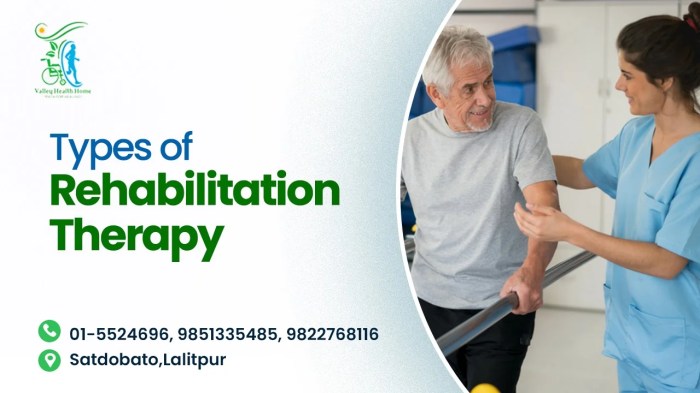
Rehabilitation therapy is like a superhero cape for those recovering from injuries or health setbacks, swooping in to save the day one stretch and squat at a time! Imagine a world where your body gets a second chance, where each therapy session is a step closer to the dance floor (or the couch, no judgment here). It’s not just about physical healing; it’s a delightful cocktail of techniques, nutrition, and the occasional motivational pep talk that fuels the journey back to health.

In this riveting exploration, we’ll unravel the fascinating world of rehabilitation therapy, diving into its core fundamentals, diverse techniques, and heartwarming success stories that remind us of the resilience of the human spirit. Buckle up, because we’re about to embark on a journey where pain meets gain, and wellness is the destination.

Rehabilitation Therapy Overview

Rehabilitation therapy is like the superhero of the medical world, swooping in to help individuals bounce back stronger after injury or illness. It encompasses a variety of practices dedicated to helping people regain their independence and improve their quality of life. Whether it’s a sprained ankle or recovering from a stroke, rehabilitation therapy provides tailored approaches to ensure a smooth and effective recovery journey.Rehabilitation therapy combines multiple techniques and methods, each designed to cater to the specific needs of the individual.

The significance of this therapy lies not only in physical recovery but also in psychological support, empowering individuals to set and achieve their personal goals. This holistic approach ensures that patients return to their daily lives with confidence and enthusiasm.

Rehabilitation Therapy Techniques and Methods

A buffet of techniques awaits those embarking on their rehabilitation journey, offering a smorgasbord of choices tailored to individual needs. The following methods play a pivotal role in the recovery process:

  • Physical Therapy: This technique focuses on restoring movement and function to the body. Physical therapists employ exercises, stretches, and manual therapy to relieve pain and improve mobility, making you feel like a superhero on the road to recovery.
  • Occupational Therapy: In this realm, therapists help individuals regain the skills needed for daily living and work. From adapting environments to teaching new skills, this therapy is all about empowering individuals to live life to the fullest.
  • Speech Therapy: For those facing challenges with communication or swallowing, speech-language pathologists swoop in with tailored exercises and strategies. They help restore clarity and confidence in expression, ensuring words flow as freely as a river.
  • Cognitive Rehabilitation: This technique focuses on improving cognitive functions like memory and problem-solving skills, particularly crucial for individuals recovering from traumatic brain injuries. Think of it as a mental workout, building up those brain muscles!

“Rehabilitation therapy is about rebuilding lives, one step at a time.”

Success Stories and Case Studies

The true magic of rehabilitation therapy shines through heartwarming success stories where individuals reclaim their lives against all odds. These case studies showcase the effectiveness of various therapeutic approaches, fostering hope and inspiration.One notable case involves a young athlete who suffered a severe knee injury during a game. With dedicated physical therapy focused on strengthening, flexibility, and pain management, he returned to the field within months.

His therapist incorporated innovative techniques, including balance training and resistance exercises, enabling him not only to recover but to outperform his previous records!Another inspiring story features an elderly woman who experienced a stroke. After a personalized rehabilitation program that included occupational and speech therapy, she regained her ability to communicate and perform daily activities. Her determination and her therapists’ support turned her daunting recovery journey into a triumphant return to normalcy.These stories affirm that rehabilitation therapy is not just about the physical aspects of healing, but about restoring hope, confidence, and the ability to enjoy life again.

With each session, clients step closer to their goals, proving that recovery is indeed possible.

Health and Nutrition

Nutrition plays a vital role in rehabilitation therapy, much like a good referee in a sports match—essential for ensuring everything runs smoothly. It supports recovery processes, helping the body repair itself and regain strength after injury or surgery. Without the right nutrients, the body might feel like a car running on empty, sputtering its way through recovery instead of zooming to full function.Proper nutrition enhances healing, reduces complications, and can even make those grueling therapy sessions feel less like a chore and more like a victory lap.

Eating well can boost energy levels and improve mood, which is as crucial as a good playlist when facing the treadmill of rehabilitation. Let’s explore the essential nutrients that act as the building blocks for recovery.

Essential Nutrients for Optimal Healing

To provide a clear view of what your body craves during the rehabilitation journey, let’s take a gander at the essential nutrients that play key roles in healing. Each nutrient has its unique superpower, ready to assist your body in bouncing back like a rubber ball.

Nutrient Role in Healing Sources
Protein Repairs tissues and builds muscle Meat, fish, eggs, legumes
Carbohydrates Provides energy for recovery Whole grains, fruits, vegetables
Fats Aids in nutrient absorption and provides energy Nuts, seeds, avocados, olive oil
Vitamins Supports immune function and healing Fruits, vegetables, dairy products
Minerals Assists in muscle contraction and nerve function Dark leafy greens, dairy, meat

This table reflects how each nutrient contributes to the healing process, ensuring your body has the tools it needs to repair itself. Think of it as a toolbox for recovery—each tool (nutrient) is essential for fixing the various parts (tissues, muscles) that need attention.

Dietary Approaches Beneficial During Rehabilitation

When it comes to recovery, dietary approaches can vary, but they all share the common goal of nourishing the body back to health. Here are a few dietary methods that can be particularly beneficial:

1. Mediterranean Diet

Rich in fruits, vegetables, whole grains, and healthy fats, this diet is like the warm, welcoming hug from a grandma that your body craves. It promotes heart health and reduces inflammation, which is like having a personal cheerleader during recovery.

2. High-Protein Diet

Essential for muscle repair, this approach ensures your body has enough building blocks to reconstruct the damage. Think of proteins as construction workers, each one dedicated to rebuilding and fortifying your bodily structures.

3. Anti-Inflammatory Diet

Focused on reducing inflammation, this diet emphasizes foods like berries, fatty fish, and nuts. It’s like putting a cold compress on a sprained ankle—soothing and necessary for recovery.

4. Balanced Diet

The classic approach, ensuring a mix of all food groups. It’s akin to a well-rounded education, equipping the body with diverse nutrients to tackle recovery from every angle.Each of these dietary approaches brings unique benefits to the table. Selecting one may depend on personal preferences, specific health needs, or even the advice of a nutrition professional. Remember, the right dietary choice can be the difference between limping along and striding confidently back into life.

Pain Management Strategies

In the world of rehabilitation, pain management is like a superhero cape – it helps patients tackle discomfort and emerge victorious in their recovery journeys. Just as a chef meticulously selects ingredients for a gourmet dish, therapists blend various techniques to create a personalized pain management strategy that suits each patient’s unique needs. Let’s dig into the toolbox of pain management strategies that can help soothe those aches and pains while keeping spirits high!

Pain Management Techniques in Rehabilitation

Pain management in rehabilitation settings can be likened to a delicious buffet – there’s something for everyone! A combination of techniques ensures that patients can find relief and get back to their daily lives. Here are some common strategies therapists employ:

  • Physical Therapy: The backbone of rehabilitation, involving tailored exercises and movements that aim to reduce pain and restore function. Think of it as a personal trainer for your muscles, minus the gym selfies!
  • Medication: Pain relievers, such as NSAIDs or opioids, can be prescribed as part of a comprehensive plan. It’s essential to find the right dosage – too little, and you feel like a gladiator with a dull sword; too much, and you may feel like you’re floating on a cloud, but not in a good way!
  • Heat and Cold Therapy: The classic duo! Applying heat can relax sore muscles, while cold packs can numb pain and reduce swelling. It’s like a spa day for your body, just without the cucumbers on your eyes!
  • Mindfulness and Relaxation Techniques: Techniques like meditation, breathing exercises, and guided imagery can help patients focus their minds away from pain. Plus, it’s a great excuse to sit quietly and ignore the world for a few minutes!
  • Transcutaneous Electrical Nerve Stimulation (TENS): This technique uses low-voltage electrical currents to relieve pain. It’s like sending little electric fairies to dance on your nerves and distract them from the pain. Sparkle and zap, anyone?

Understanding pain levels is crucial for effective management. Patients can use a variety of scales, often ranging from 0 (no pain) to 10 (the worst pain imaginable). Communicating this to therapists can be as straightforward as rating your discomfort after a night of eating too much pizza – and who hasn’t been there? Maintaining open lines of communication ensures that pain management strategies can be adjusted as needed, much like tuning a guitar for that perfect note.

Connection Between Pain Management and Mental Health

The relationship between pain management and mental health is as intertwined as spaghetti and meatballs – one influences the other in a deliciously complicated manner. Chronic pain can lead to feelings of frustration, anxiety, and depression, like a rain cloud following you around on a sunny day. Conversely, mental health issues can exacerbate the perception of pain, making it feel like every ache is amplified.

Recognizing this symbiotic relationship is essential for recovery. Here are some vital points to consider:

  • Emotional Support: Having a strong support system can significantly alleviate feelings of isolation and despair. It’s like having a personal cheerleader; “You can do it! Pain? What pain?”
  • Coping Strategies: Developing healthy coping mechanisms such as journaling, art, or even talking to a therapist can help manage both pain and mental health. Sometimes, you just need a good rant – preferably over coffee and donuts!
  • Mind-Body Connection: Techniques that promote relaxation and positive thinking, such as yoga and tai chi, can help patients cope with both pain and stress. Who knew that stretching and deep breathing could double as a superhero power?
  • Setting Realistic Goals: Working with therapists to set achievable recovery milestones can boost confidence and motivation, reducing the emotional weight of chronic pain. After all, every small victory is a reason to celebrate, even if it’s just getting out of bed!

Incorporating effective pain management strategies not only helps in alleviating physical discomfort but also plays a pivotal role in enhancing mental well-being. With the right support, you can tackle both pain and mental health challenges like a boss!

Personal Training Integration

Integrating personal training into rehabilitation therapy is like adding sprinkles to a cupcake—just makes everything better! Personal trainers can step in as the supportive sidekick in a client’s recovery journey, ensuring they bounce back stronger, more agile, and maybe even a little more fabulous than before. Personal training offers a unique opportunity to complement rehabilitation therapy by introducing tailored exercises that focus on strength, flexibility, and functional movement.

Rehabilitation often lays the groundwork, but personal training can build the house—complete with a swimming pool of confidence and a patio of empowerment. This combination can significantly enhance a client’s recovery experience, making it both effective and enjoyable.

Program Structure for Clients in Recovery

Creating a structured program for clients transitioning from rehabilitation to personal training is crucial for their continued progress. Here are the core elements to consider when designing such a program:

1. Assessment and Evaluation

Before jumping into squats, personal trainers should conduct a thorough assessment to understand the client’s current physical state. This includes evaluating mobility, flexibility, strength, and any specific rehabilitation needs. Think of it as a detective job where trainers gather clues to uncover the mystery of the client’s body!

2. Goal Setting

Establish clear, achievable goals that align with the client’s rehabilitation outcomes and personal aspirations. Goals should be specific, measurable, attainable, relevant, and time-bound (SMART). For example, if a client has been working on knee strength, a goal might be, “Complete ten bodyweight squats without discomfort in four weeks.”

3. Exercise Progression

Gradually introduce exercises that build on rehabilitation progress. Start with low-impact movements, and as the client gains strength and confidence, progressively increase intensity and complexity. It’s like leveling up in a video game—each stage brings new challenges and rewards!

4. Incorporate Functional Movements

Focus on exercises that mimic daily activities to promote functional strength. This approach ensures that clients can return to their routines with ease. Think of exercises like squats, lunges, and core stability work—everyday tasks become child’s play!

5. Monitoring and Feedback

Regularly check in with clients to assess their progress and adjust the program as necessary. This could involve feedback on their performance, physical reactions, and emotional well-being. Trainers should be like a GPS, recalibrating the route when the client takes an unexpected detour.

Assessing Readiness for Transition

Determining if a client is ready to transition from rehabilitation to personal training is key to their ongoing success. Here are some insightful indicators to consider:

Physical Capability

Evaluate if the client can perform basic movements without pain or discomfort. The absence of pain is like the green light at a traffic signal—it’s time to go!

Confidence Levels

A client’s self-assurance plays a significant role in their readiness. If they express excitement about exercises and demonstrate willingness to engage in new challenges, that’s a promising sign.

Communication with Healthcare Providers

Collaboration with the client’s rehabilitation team is essential. If healthcare providers give the thumbs up, trainers can proceed with confidence knowing that the client is cleared for more intense training.

Functional Assessments

Conduct functional tests to ensure the client can move through specific ranges of motion and perform fundamental exercises without limitations. Think of these tests as fitness checkpoints on the road to recovery.By carefully integrating personal training with rehabilitation therapy, clients can experience a seamless transition, turning their recovery journey into an empowering experience filled with achievements, progress, and maybe a bit of sweat—and laughter along the way!

Health and Obesity Considerations

When it comes to rehabilitation therapy, obesity isn’t just about the numbers on the scale; it’s a complex issue that involves physical health, psychological well-being, and social factors. With the rising rates of obesity, rehabilitation professionals are stepping up to the plate (and the treadmill) to help individuals tackle these challenges head-on, armed with the right strategies and a sprinkle of humor along the way.

Think of rehabilitation as a team sport, where everyone is on the same side, cheering you on towards a healthier lifestyle!

Addressing Obesity-Related Issues in Rehabilitation

Rehabilitation therapy plays a crucial role in addressing the multifaceted issues associated with obesity. It’s not just about losing weight; it’s about improving overall health, mobility, and quality of life. By integrating tailored strategies, therapists can help individuals navigate their unique journeys towards wellness. Here’s how rehabilitation tackles obesity-related challenges:

  • Individualized Assessment:

    Rehabilitation begins with a thorough assessment to understand the patient’s medical history, physical capabilities, and personal goals. This isn’t a one-size-fits-all deal; it’s more like a custom-tailored suit that fits just right!

  • Comprehensive Health Plans:

    These plans combine physical activity, nutrition guidance, and behavioral therapy. Just like assembling a superhero team, each component is vital for the mission ahead—fighting obesity!

  • Monitoring Progress:

    Regular check-ins help gauge improvement and adjust the plan accordingly. Think of it as your personal progress scoreboard, where every small victory counts towards the ultimate goal.

  • Education on Obesity:

    Empowering patients with knowledge about obesity-related health risks, nutrition, and exercise can help them make informed choices. Knowledge is power, and in this case, it might just be the cape that helps them soar!

Incorporating Physical Activity for Obese Patients

Incorporating physical activity into rehabilitation programs for obese patients is not just important—it’s essential. Regular activity helps in weight management, boosts mood, and enhances physical fitness. Here’s how rehabilitation professionals can make movement enjoyable and achievable:

  • Gradual Introduction:

    Start with low-impact activities to build endurance and confidence. Think of it as easing into a hot bath—no one likes jumping straight into the deep end!

  • Fun and Engaging Activities:

    Incorporating dance, swimming, or even chair aerobics can make exercising feel less like a chore and more like a party. The only thing missing is the disco ball!

  • Setting Achievable Goals:

    Small, realistic goals can foster a sense of accomplishment. Whether it’s a 5-minute walk or lifting a light weight, every step is a victory!

  • Group Activities:

    Encouraging group exercises can provide motivation and a sense of camaraderie. After all, who doesn’t love sweating it out with friends and sharing stories over a well-earned smoothie afterward?

Psychological Aspects of Obesity and Recovery

The psychological journey of overcoming obesity in a rehabilitation setting is just as vital as the physical aspect. Addressing mental health concerns can significantly enhance recovery outcomes. Here are some key considerations:

  • Coping Strategies:

    Teaching patients effective coping mechanisms helps manage stress and emotional eating. It’s like equipping them with a toolkit for life, ready to tackle any challenge that comes their way!

  • Supportive Environment:

    Creating a non-judgmental space encourages open discussions about feelings and struggles. When patients feel safe, they are more likely to engage fully in their rehabilitation journey.

  • Building Self-Efficacy:

    Encouraging patients to believe in their abilities can motivate them to stick with their programs. A little self-belief can go a long way—like finding that extra slice of pizza at the bottom of the box! (Just kidding, let’s stick to veggies.)

  • Focus on Positivity:

    Celebrating small successes can help shift the focus from what’s not working to what is, making the journey enjoyable. Remember, laughter is the best medicine, especially when it comes with a side of broccoli!

Physical Therapy Techniques

Physical therapy is like a superhero cape for your body, swooping in to save the day when injuries or conditions try to bring you down. With various techniques at their disposal, physical therapists work diligently to restore mobility, alleviate pain, and promote overall healing. Whether you’ve taken a tumble down the stairs or just need a little TLC after a long workout, physical therapy has your back… and your legs… and your arms!Physical therapy encompasses a rich tapestry of practices, each designed to address the unique needs of the patient.

Techniques can range from manual therapy to therapeutic exercises, modalities like ultrasound and electrical stimulation, and even innovative approaches like dry needling. The goal is always the same: to get you back on your feet, doing the things you love, without feeling like you’ve run a marathon through a cactus patch.

Physical Therapy Practices and Their Roles

Understanding the different physical therapy practices is essential for effective rehabilitation. Here’s a look at some common techniques and how they contribute to your recovery:

Technique Role in Rehabilitation
Manual Therapy Hands-on techniques that help relieve pain, improve circulation, and enhance mobility.
Therapeutic Exercises Specific exercises tailored to strengthen muscles, improve flexibility, and restore function.
Modalities (e.g., Ultrasound, TENS) Utilize heat, cold, electrical stimulation, or sound waves to reduce pain and swelling.
Balance and Coordination Training Exercises designed to improve stability and prevent falls, especially in older adults.
Dry Needling A technique using needles to release muscle tightness and alleviate pain.

The variety of techniques helps create a comprehensive approach to rehabilitation. However, it’s not just about choosing a technique; it’s about crafting a unique plan for each patient, because one size fits all only works for hats… and even then, they can be a bit snug!

Importance of Individualized Physical Therapy Plans

Each patient is a distinctive puzzle, and understanding this uniqueness is vital for effective rehabilitation. An individualized physical therapy plan takes into account not just the specific injury or condition, but also the patient’s personal goals, lifestyle, and any previous medical history. This tailored approach ensures that patients receive the right mix of techniques and exercises to maximize their recovery.

For instance, an athlete recovering from a sprained ankle may require a focus on strength and agility, while a senior citizen might need a plan that emphasizes balance and flexibility.

“The best physical therapy is not just about the exercises; it’s about understanding the person behind the injury.”

By honoring each individual’s needs, therapists can create a strategy that not only aids in recovery but also motivates and empowers patients on their wellness journey. Just think of it as a personalized Spotify playlist for your body—curated just for you, so every movement is in perfect harmony!

Health and Phobias Management

Phobias can be like uninvited guests at a party; they show up, make a scene, and can ruin the whole vibe. In the context of rehabilitation therapy, phobias can significantly impact patient outcomes, limiting participation, engagement, and overall progress. While fear is a natural part of being human, when it spirals into phobia territory, the road to recovery can become a bumpy ride, often riddled with potholes of anxiety and avoidance.Addressing health-related phobias during therapy is crucial not only for the patient’s psychological well-being but also for the effectiveness of the rehabilitation process.

Phobias can manifest in various forms, including a fear of medical professionals (i.e., white coat syndrome), fear of physical activities, or even specific phobias related to certain exercises or equipment. Overcoming these fears is essential for achieving rehabilitation goals, and numerous techniques can help mitigate these fears.

Techniques for Addressing Health-Related Phobias

A variety of techniques can be employed to help patients confront and manage their phobias, fostering a more conducive environment for rehabilitation. Here are some of the most effective strategies:

  • Cognitive Behavioral Therapy (CBT): A structured approach that helps patients identify irrational thoughts and replace them with more rational ones, effectively reducing fear responses.
  • Exposure Therapy: Gradual exposure to the feared object or situation in a controlled manner, helping to desensitize the patient over time.
  • Relaxation Techniques: Teaching patients methods such as deep breathing, progressive muscle relaxation, or mindfulness to combat anxiety when faced with phobic stimuli.
  • Education: Providing information about the rehabilitation process and debunking myths can help alleviate fears related to medical procedures or physical activities.
  • Support Groups: Engaging with others who share similar phobias can foster a sense of community and provide encouragement through shared experiences.

“Confronting fears in a supportive environment can turn the tables on phobias, transforming mountains into molehills.”

Case Examples of Successful Phobia Management

Several case studies illustrate the successful application of phobia management techniques in rehabilitation. These examples underscore the importance of personalized approaches in therapy.

  • Case Study 1: A 30-year-old woman with a phobia of needles experienced heightened anxiety during physical therapy sessions. By integrating CBT and gradual exposure, she was able to confront her fear directly. After several sessions where she simply viewed pictures of needles, she progressed to watching actual injections being performed on others, eventually overcoming her fear enough to receive necessary medical treatments.

  • Case Study 2: A 45-year-old man with a fear of falling avoided physical activities, which impeded his rehabilitation after hip surgery. Utilizing exposure therapy, he was gradually introduced to exercises in a safe environment, starting with simple balance activities. With the help of a supportive therapist, he overcame his fear, ultimately participating in a hiking trip with friends.
  • Case Study 3: A teenager with social phobia found it challenging to attend group therapy sessions. By incorporating relaxation techniques and encouraging participation in smaller group settings, the therapist helped him build confidence. Eventually, he was able to join larger groups and even share his experiences, leading to improved social skills and rehabilitation outcomes.

Health and Pilates Integration

Rehabilitation therapy

Pilates has become a household name in the realm of fitness and rehabilitation, known for its low-impact yet highly effective approach to improving body awareness and strength. For those on the rocky road of recovery, integrating Pilates into rehabilitation therapy can be as refreshing as a slice of watermelon on a hot summer day—invigorating and downright beneficial!In rehabilitation therapy, Pilates serves as a gentle yet potent ally, promoting flexibility, core strength, and overall balance.

It helps patients regain mobility while ensuring they engage their muscles effectively and safely. The beauty of Pilates lies in its ability to adapt to different fitness levels and rehabilitative needs, making it an invaluable resource for therapists and patients alike. Imagine a world where your rehabilitation is less about grimacing through exercises and more about flowing gracefully through each movement—sounds dreamy, right?

Benefits of Pilates in Rehabilitation Therapy

Integrating Pilates into rehabilitation therapy offers several significant benefits, making it a staple for those recovering from injuries. Here are some of the standout advantages:

  • Improved Core Strength: Pilates places a hefty emphasis on core stability, crucial for supporting the spine and preventing further injury.
  • Enhanced Flexibility: Regular practice can increase flexibility, which is essential for recovery and reducing the risk of future injuries.
  • Better Posture: Pilates encourages proper alignment and body mechanics, helping individuals develop a more balanced posture.
  • Increased Body Awareness: Practicing Pilates cultivates a deeper understanding of one’s own body, crucial for injury prevention.
  • Low-Impact Movement: The gentle nature of Pilates exercises minimizes stress on the body while effectively building strength.

Tailored Pilates Exercises for Rehabilitative Purposes

Below is a selection of Pilates exercises specifically tailored for rehabilitative purposes. Each exercise is designed to target different areas of the body while ensuring safety and effectiveness.

  • The Hundred: A classic Pilates exercise that warms up the body while engaging the core and promoting circulation. Lay on your back with your legs in tabletop and pump your arms as you breathe in and out.
  • Spine Stretch Forward: This move encourages flexibility in the spine and hamstrings, providing a gentle stretch that feels oh-so-good. Sit up tall and reach forward, keeping your spine long.
  • Single Leg Circles: A fantastic exercise for hip mobility and core control. Lying on your back, extend one leg towards the ceiling and draw small circles with it while keeping the rest of your body stable.
  • Modified Plank: An excellent way to build strength without overstraining. Hold a plank position on your knees or forearms to engage your core and stabilize your back.
  • Bridging: This exercise strengthens the glutes and lower back while stretching the hip flexors. Lie on your back with your knees bent and lift your hips towards the ceiling.

Testimonials from Practitioners on the Effectiveness of Pilates in Recovery

Real-life experiences often speak louder than any textbook. Here’s what some practitioners have to say about the efficacy of Pilates in rehabilitation:

“Incorporating Pilates into my practice has been a game changer for my clients. They not only recover faster but also feel empowered to take control of their bodies.” – Jane Doe, Physical Therapist

“I’ve witnessed miracles with Pilates. Patients who struggled with mobility are now moving with grace and confidence!” – John Smith, Certified Pilates Instructor

“Pilates has been the secret ingredient in my rehabilitation recipes. It’s like giving my patients a gentle nudge toward recovery while they think they’re just having fun!”

Emily Brown, Occupational Therapist

Popular Diets in Rehabilitation

Rehabilitation therapist salary tuf restore jobs median

The world of diets can be as confusing as trying to untangle a set of headphones—one moment you’re making progress, and the next, you’re right back where you started. For individuals undergoing rehabilitation, choosing the right diet is crucial, acting as a supportive friend who cheers you on as you recover. This segment dives into the popular diets that are often debated in the context of rehabilitation, summarizing their pros and cons, and debunking some common myths that surround them.

Diet Comparisons and Their Applicability in Rehabilitation

Understanding the different dietary approaches can help individuals select the most beneficial plan during their recovery process. Here’s a breakdown of some popular diets and how they stack up for rehabilitation purposes.

Diet Type Pros Cons
Mediterranean Diet
  • Rich in healthy fats and whole foods
  • Promotes heart health
  • Can improve mood and energy levels
  • Potentially high in calories if portions are not managed
  • Not suitable for low-fat diets
DASH Diet
  • Lowers blood pressure
  • Rich in fruits and vegetables
  • Supports overall health
  • Can be restrictive for some
  • Requires meal planning and prep
Keto Diet
  • May aid in weight loss
  • Can reduce inflammation
  • Focuses on high fats and proteins
  • Can lack essential nutrients if not balanced
  • May lead to fatigue and irritability initially
Paleo Diet
  • Encourages whole, unprocessed foods
  • Potentially beneficial for gut health
  • Excludes many food groups
  • Can be difficult for long-term adherence

Common Misconceptions About Diets in Recovery

While many diets offer great benefits, they also come with a side of misunderstandings. Clarifying these misconceptions can help individuals make informed decisions during their rehabilitation journey.

“Not all calories are created equal—eating a donut may have the same calories as a salad, but the effects on your body are wildly different.”

Some of the most widespread myths include:

  • All fats are bad: Healthy fats, like those in avocados and nuts, can actually support recovery.
  • Carbs are the enemy: Complex carbohydrates provide essential energy needed for healing.
  • Detox diets are necessary: The body has its own detox system—your liver and kidneys do just fine without extreme diets!
  • One diet fits all: Each person’s recovery is unique, and dietary needs should be tailored accordingly.

By debunking these misconceptions, individuals in rehabilitation can approach their diets more effectively, promoting a smoother and healthier recovery.

Quit Smoking Strategies

Quitting smoking is no small feat; it’s akin to wrestling with a bear while juggling flaming torches—rewarding but undeniably challenging. Rehabilitation plays a crucial role in this endeavor, offering structured support and strategies that can significantly improve the chances of success. It’s not just about willpower; it’s about having a solid plan and the right assistance to kick that pesky habit to the curb.Rehabilitation programs designed for smoking cessation provide a variety of techniques that not only address the physical addiction but also the psychological aspects of quitting.

By employing a multifaceted approach that includes counseling, medication, and behavioral therapies, these programs create a supportive environment where individuals can thrive. The incorporation of structured plans ensures that each step of the quitting process is manageable and tailored to the individual’s needs, ultimately leading to higher success rates than going it alone.

Structured Quit Smoking Plan

This structured plan lays out the roadmap to kick smoking to the curb, with each step designed to support individuals on their journey to a smoke-free life. It’s like a treasure map, except the ‘X’ marks the point where you regain your health and sense of smell.

1. Assessment and Goal Setting

Begin with a thorough assessment to understand triggers and smoking habits. Set realistic, achievable goals—like replacing one cigarette a day with a piece of gum.

2. Behavioral Therapy

Engage in therapy sessions that focus on coping strategies, stress management, and behavioral cues. Think of it as a smoke-free therapy camp, where marshmallows are replaced with motivational quotes.

3. Pharmacotherapy

Consider medications such as nicotine replacement therapies (patches, gums) or prescription medications that help reduce cravings. They’re like the superhero sidekicks of your journey!

4. Support Groups

Join a support group or online community where experiences can be shared, and encouragement is abundant. It’s like a book club, but instead of discussing novels, you’re sharing tales of triumph over tobacco.

5. Follow-Up and Evaluation

Schedule regular follow-up sessions to evaluate progress and adjust the plan as needed. This is the check-in where you celebrate victories and recalibrate strategies for any bumps in the road.

“With the right support and strategies, quitting smoking can transform from a daunting challenge into a manageable journey.”

Success rates in rehabilitation programs for smoking cessation are significantly higher compared to attempts made without assistance. Data from various studies suggest that these programs can double the likelihood of quitting successfully. For instance, one prominent study reported that participants in structured programs experienced a success rate of 30% compared to just 15% for those who tried quitting on their own.

Testimonials from former smokers highlight the power of these rehabilitation strategies. One individual recounted, “I thought quitting was impossible until I joined a program. With the support of my peers and a structured plan, I went from smoking a pack a day to being smoke-free in just three months!” Such stories underscore the importance of rehabilitation in transforming lives and fostering a healthier future, proving that with the right support, anyone can conquer their smoking habit.

Self Hypnosis for Pain Relief

Imagine a magical tool that can help you tackle pain without the need for pills or potions—enter self-hypnosis! This remarkable technique allows individuals to tap into their subconscious mind to manage pain and enhance their overall rehabilitation experience. It’s like having a personal wizard who helps you wave goodbye to discomfort, all while you sit back, relax, and maybe even visualize a sandy beach or a cozy cabin in the woods.Integrating self-hypnosis into rehabilitation therapy can significantly enhance pain management strategies.

By using focused relaxation and mental imagery, individuals can create a powerful internal environment that promotes healing and alleviates discomfort. Research demonstrates that self-hypnosis may reduce the perception of pain, improve mood, and foster a sense of control over one’s body. This practice complements traditional rehabilitation therapies and empowers patients to take an active role in their recovery journey.

Step-by-Step Guide to Practicing Self-Hypnosis

Getting started with self-hypnosis may seem daunting, but with a little practice, you’ll be hypnotizing yourself in no time—without the need for a pocket watch! Here’s a straightforward guide to help you in your quest for comfort:

1. Find a Comfortable Space

Select a quiet environment where you can relax without interruptions. This could be your cozy couch, a serene park bench, or even a hammock (if you’re feeling fancy!).

2. Set an Intention

Determine what you want to achieve with self-hypnosis, such as pain relief, relaxation, or stress reduction. Being clear about your intention helps direct your focus.

3. Breathe Deeply

Close your eyes and take several deep breaths. Inhale through your nose, hold for a moment, and exhale slowly through your mouth. Imagine each breath washing away tension like the tide on a beach.

4. Induce Relaxation

Allow your body to relax progressively, starting from your toes and moving upward. Picture each muscle loosening and letting go of stress. If you feel like a limp noodle, you’re on the right track!

5. Use Visualization

Imagine a peaceful scenario that resonates with you. It could be a tranquil forest or a cozy cabin by the lake. Envision the sensations of that place—what you see, hear, and feel—and immerse yourself in it.

6. Affirmations for Pain Relief

Repeat positive affirmations in your mind, such as “I am in control of my pain” or “My body is healing.” Engage your imagination to amplify the suggestions; envision your pain melting away like ice cream on a sunny day.

7. Reaffirm and Gradually Return

After spending time in this relaxed state, gently bring your awareness back to the present. Wiggle your fingers and toes, and when you’re ready, open your eyes.

8. Practice Regularly

Like building muscle, self-hypnosis gets easier with practice. Incorporate it into your daily routine, and you’ll soon find it becomes second nature.

“Self-hypnosis is not a magic wand, but rather a powerful tool for self-empowerment and pain management.”

Research supports the efficacy of self-hypnosis as a complementary therapy in rehabilitation, with studies indicating that it can lead to significant pain reduction in various conditions, including chronic back pain and arthritis. A meta-analysis published in theInternational Journal of Clinical and Experimental Hypnosis* reviewed multiple studies and concluded that self-hypnosis is effective in improving pain control and reducing the need for medication.

Patients reported feeling more in control and engaged in their healing processes, showcasing how the power of the mind can influence physical health. So, pick up this mental magic trick and wave your wand of well-being!

Closing Summary

So there you have it—rehabilitation therapy is not just a series of exercises; it’s an epic saga of recovery filled with triumphs, challenges, and the occasional giggle over someone’s awkward stretching attempt! With the right blend of nutrition, pain management, and maybe a dash of Pilates, anyone can reclaim their mojo. Remember, the road to recovery might have its bumps, but with rehabilitation therapy, you’ll be cruising smoothly towards a healthier, happier you.

Questions Often Asked

What is the primary goal of rehabilitation therapy?

The primary goal is to help individuals regain their physical and functional abilities, promoting independence and improving overall quality of life.

Who can benefit from rehabilitation therapy?

Anyone recovering from injury, surgery, chronic illness, or those managing pain can benefit greatly from rehabilitation therapy.

How long does rehabilitation therapy typically last?

The duration varies depending on individual needs, but it can range from a few weeks to several months, with each session tailored to progress at a comfortable pace.

Are there any risks associated with rehabilitation therapy?

Generally, rehabilitation therapy is safe. However, like any physical activity, there can be risks of discomfort or injury if exercises are not performed correctly, hence the importance of professional guidance.

Can rehabilitation therapy be done at home?

Yes, many rehabilitation programs include home exercises, especially after initial assessments by a therapist, allowing for continuity of care in a comfortable environment.


Body mass index (BMI) the quirky guide to your health

Body mass index (BMI)

Body mass index (BMI) is the quirky little number that can tell you more about your health than your last trip to the fridge! Think of it as your body’s personal assistant, whispering sweet nothings about how your weight stacks up against your height. While it’s not the definitive guide to your health, it certainly has a lot to say about your nutritional needs, dietary choices, and all those delicious nutrient-dense foods that can either save the day or tempt you into a donut dilemma.

So, whether you’re trying to dodge those extra pounds or just want to understand what that number really means, let’s dive into the intriguing world of BMI. From the link between BMI and obesity to the popular diets that can help tailor a healthier you, we’re here to unravel the mystery wrapped in a calorie-counted enigma!

Health and Nutrition

Body mass index bmi chart calculator formula height graph function

Understanding Body Mass Index (BMI) isn’t just about numbers; it’s about nourishing your body in a way that fits your unique shape and size. Just like a tailor measures a suit, you can use BMI to assess your nutritional needs and make dietary choices that harmonize with your health goals. Think of it as your body’s personalized nutrition blueprint, guiding you to the most nutrient-dense options that align with your BMI category.BMI provides a snapshot of your body weight relative to your height, which can influence your dietary needs and preferences.

For example, a lower BMI may call for a diet rich in calorie-dense foods to help achieve a healthy weight, while a higher BMI might focus on nutrient-dense foods that provide essential vitamins and minerals with fewer calories. Instead of counting every calorie like a mad scientist, consider portion sizes, food quality, and balance – your body deserves a feast of wholesome goodness!

Nutritional Needs Based on BMI Categories

The impact of BMI on meal planning is not only significant but also quite amusing. Each category has its own flavor of nutritional requirements, so let’s delve into them with a sprinkle of humor:

1. Underweight (BMI < 18.5)

For those who may feel like they belong in a wind tunnel, it’s essential to pack in the calories. Focus on foods that are calorie-rich yet nutritious. Think avocados, nut butters, and whole grains—basically, the stuff that makes you feel like a cozy burrito!

2. Normal Weight (BMI 18.5 – 24.9)

Here’s where the balance comes into play. A delightful mix of macronutrients is key. Incorporate colorful veggies, lean proteins, and healthy fats. Your plate is now an artist’s canvas, and you’re Picasso!

3. Overweight (BMI 25 – 29.9)

If you’re on the cusp, think of it as a sign to maybe dial back the buffet. Nutrient-dense foods should steal the spotlight—hello, leafy greens and berries! They’re like the superhero duo of your diet, fighting off unwanted pounds while keeping your taste buds entertained.

4. Obesity (BMI ≥ 30)

For individuals in this category, it’s time to embrace nutrient-packed foods that don’t just fill you up but keep you satisfied longer. Lean meats, legumes, and whole grains are your new best friends. Imagine them as the Avengers of your plate, ready to save the day!To wrap it all up in a neat little bow, keeping an eye on your BMI can help you make wise dietary choices tailored to your health needs.

Nourishing your body with the right foods for your category isn’t just wise; it’s a delicious and fun journey towards better health. Remember, each bite counts in the grand culinary adventure called life!

Health and Obesity

When it comes to our health, few topics stir up as much debate and mischief as obesity. The Body Mass Index (BMI) has become a popular way to gauge whether we’re rocking that summer body or if we should reconsider our love affair with the donut shop. Spoiler alert: the implications of BMI on obesity-related health issues can be quite serious, but let’s add a sprinkle of humor and a dash of reality to this discussion.The correlation between BMI and health issues related to obesity is more than just a number on the scale—it’s a red alert for various conditions that could crash the party if we don’t pay attention.

High BMI can lead to diabetes, heart disease, and even certain cancers. Think of it as your body sending you an RSVP to a not-so-fun gathering of ailments. According to the Centers for Disease Control and Prevention (CDC), obesity increases the risk of developing chronic diseases, which is a bit like trying to fit an entire cake into a tiny box—something’s gotta give, and it’s usually not the cake.

Implications of BMI on Health Issues

BMI serves as a not-so-gentle reminder that weight management is crucial for overall health. The implications of having a high BMI can include a variety of health problems, such as:

  • Type 2 Diabetes: Being classified as obese increases the risk of insulin resistance, making it harder for the body to manage blood sugar levels.
  • Heart Disease: Extra pounds can lead to high blood pressure and elevated cholesterol levels, which are notorious party crashers for your heart health.
  • Joint Problems: Those knees and hips may not be thrilled about lugging around extra weight, leading to osteoarthritis and joint pain.
  • Sleep Apnea: Excess weight can cause airway obstruction, turning a peaceful night’s sleep into a snore-fest.

The psychological toll of being labeled as obese based on BMI can be as heavy as the weight itself. When society throws around the term “obese,” it often comes with baggage that can lead to self-esteem issues. Individuals may experience stigma, bullying, or internalized negative feelings, making it feel like they’re carrying an additional emotional load. Furthermore, studies have indicated that people with higher BMIs may experience anxiety and depression at higher rates than their slimmer counterparts.

This creates a troubling cycle where mental health issues can lead to weight gain, and weight gain can worsen mental health.

Prevalence of Obesity

Obesity is not just a personal issue; it’s a public health crisis. According to the CDC, more than 42% of adults in the United States were classified as obese in 2020, and the numbers are rising faster than a cat meme going viral. The rise in obesity rates can often be attributed to sedentary lifestyles and the prevalence of calorie-dense, nutrient-poor foods.

Here’s a quick snapshot of the alarming statistics:

  • Adult Rates: The prevalence of obesity among U.S. adults has increased dramatically, up from 30.5% in 1999-2000 to over 42% in 2017-2018.
  • Childhood Obesity: About 19.3% of children and adolescents aged 2-19 were obese in 2017-2018, putting them on a path to potentially serious health issues early in life.
  • Global Perspective: Worldwide obesity has nearly tripled since 1975, signaling that this is a problem that transcends borders and cultures.

As we navigate the complex landscape of health, it’s essential to understand the implications of BMI on obesity. Knowing the numbers can give us a fighting chance to combat the health issues that obesity brings, making weight management a necessity rather than a trend.

Popular Diets

Body mass index (BMI)

In the whimsical world of dieting, where kale reigns supreme and carbs are often seen as villains, various popular diets dance around like they’re auditioning for a reality show. Each diet comes with its own unique flair and promises to help you achieve that coveted BMI balance without sacrificing joy (or at least minimizing it). Let’s dive into the delightful buffet of options available and see how they stack up against each other—and your BMI!

Comparison of Popular Diets and Their Impact on BMI

When it comes to choosing a diet, it’s essential to know how each one can impact your BMI. Below is a table that highlights some popular diets, along with their main characteristics and potential effects on BMI.

Diet Main Characteristics Impact on BMI
Keto High-fat, low-carb Rapid weight loss, potential for lower BMI
Paleo Whole foods, no processed items Can lead to moderate weight loss and BMI reduction
Intermittent Fasting Eating windows, fasting periods May decrease BMI through calorie restriction
Mediterranean Emphasizes fruits, vegetables, and healthy fats Promotes gradual weight loss, often stabilizing BMI
Vegan Plant-based, no animal products Can reduce BMI significantly with proper planning

Understanding the impact of different diets on BMI can help you make informed choices tailored to your personal health goals. It’s crucial to remember that what works for one person may not be ideal for another; a tailored approach is often the key to success.

Tailoring Diets Based on Individual BMI

Diets are not one-size-fits-all, much like your favorite pair of jeans. The key to a successful dietary strategy is customizing your approach based on your current BMI. Here’s how you can adjust various diets according to your individual needs:

1. For a High BMI

Starting with a more restrictive diet like Keto or Intermittent Fasting can jump-start your weight loss journey. These diets might help you shed pounds quickly, creating momentum.

2. For a Normal BMI

Adopt a lifestyle approach like the Mediterranean diet. This allows for balance and moderation, promoting health without drastic measures.

3. For a Low BMI

Focus on nutrient-dense diets like Paleo or Vegan, aiming to add healthy weight while ensuring you receive all necessary nutrients.No matter your starting point, understanding how to adjust your dietary plan can help you achieve and maintain a healthy BMI.

Dietary Strategies to Achieve a Healthy BMI

To reach and maintain a healthy BMI, consider implementing the following dietary strategies. These tips are like your trusty sidekicks on your quest for health:

Portion Control

Even the healthiest foods can contribute to weight gain if you eat them in excess. Visualize your plate as a balance scale; aim for a fair distribution.

Mindful Eating

Pay attention to what you eat. Savor each bite, and you might just find that you feel full sooner!

Stay Hydrated

Sometimes, our bodies confuse thirst with hunger. Drink plenty of water—your body will thank you!

Incorporate Physical Activity

Dieting isn’t solely about what you eat. Combine your healthy eating habits with regular exercise for optimal results.

Set Realistic Goals

Aim for gradual changes rather than overnight transformations. Slow and steady wins the race—and prevents you from feeling like you’re on a restrictive diet roller coaster.

Consult a Professional

If in doubt, a registered dietitian can help you navigate the labyrinth of dietary options and tailor a plan just for you.By adopting these strategies, you can steer the ship of your health toward a better BMI without feeling like you’re sailing through a sea of deprivation.

Ending Remarks

In conclusion, Body mass index (BMI) isn’t just a number; it’s a playful puzzle that offers insights into our health and well-being. Whether you’re armed with a salad or a slice of cake, understanding your BMI can help you make smarter choices—one delicious bite at a time! So, grab your tape measure and scale, and embrace the journey to a healthier you, one quirky fact about BMI at a time!

FAQ Explained

What is the formula to calculate BMI?

BMI is calculated by dividing your weight in kilograms by your height in meters squared (BMI = kg/m²).

Is BMI the only measure of health?

Nope! BMI is a useful tool, but it doesn’t account for muscle mass, bone density, and overall body composition.

Can BMI be misleading?

How often should I check my BMI?

A good rule of thumb is to check it every few months or when you make significant lifestyle changes.

Can children have a BMI?

Absolutely! BMI can be calculated for children, but it’s interpreted differently than in adults, using growth charts.

Keto diet Unlocking the Secrets of Fat-Burning Fun

Keto diet

Keto diet sets the stage for this enthralling narrative, offering readers a glimpse into a story that is rich in detail and brimming with originality from the outset. Imagine a world where your body turns into a fat-burning furnace while you indulge in cheesy goodness and crispy bacon—sounds like a dream, right? This magical transformation is brought to you by the Keto diet, a low-carb, high-fat regimen that not only tantalizes your taste buds but also promises to kick your weight loss efforts into high gear.

With a treasure trove of nutritional benefits that outshine your average salad, the Keto diet lends a helping hand to those wrestling with weight, energy levels, and even chronic pain. As we dive into the world of ketones and carb counting, prepare to discover how this diet stacks up against its popular counterparts while revealing the science behind its impressive results.

Health and Nutrition

Keto diet

The Keto diet, a modern nutritional marvel for many, is much like a magician pulling rabbits out of hats—only this time, the rabbits are nutritious fats and the hats are overflowing with proteins! Designed to usher your body into a state of ketosis, this diet focuses on high-fat, moderate-protein, and very low carbohydrate intake, leading you down a path paved with health benefits and a sprinkle of deliciousness.

But, hold onto your avocados; let’s dive into the nutritional treasure chest!The nutritional components of the Keto diet are akin to a superhero team—each member plays a vital role in your health! By drastically reducing carbs and ramping up fats, your body shifts gears and starts burning fat for fuel instead of glucose. This switch can lead to impressive weight loss and energized days that feel like you’ve had a double shot of espresso (minus the jitters!).

The balance of healthy fats, such as avocados, nuts, and olive oil, combined with protein sources like eggs and meat, creates a powerhouse of nutrients that contribute to improved brain health, controlled blood sugar levels, and enhanced heart health.

Nutritional Components and Their Benefits

The nutrient composition of the Keto diet is remarkable, and understanding these components helps illuminate their numerous health benefits. Here’s a closer look at the key players in this nutritional ensemble:

  • Healthy Fats: Fats are not the enemy here! They provide essential fatty acids and fat-soluble vitamins like A, D, E, and K. These nutrients can help reduce inflammation and promote brain function.
  • Protein: This macronutrient is crucial for maintaining muscle mass, especially during weight loss. Think of protein as your body’s construction worker, building and repairing tissues.
  • Low Carbohydrates: Lowering carbs can help stabilize blood sugar levels. This is like giving your body a calm, steady rhythm instead of a rollercoaster ride!
  • Fiber: Found in non-starchy vegetables, fiber is key for healthy digestion. It’s the friendly neighborhood sidekick that keeps everything running smoothly.

The Keto diet stands out when compared to other popular diets like Paleo or Mediterranean. While the Paleo diet focuses on whole foods, neglecting processed foods and grains, the Keto diet is a bit more selective, prioritizing fat over carbs. The Mediterranean diet boasts heart-healthy fats but often includes more grains, making it less restrictive. By keeping carbohydrates to a minimum and focusing on nutrient-dense foods, the Keto diet can provide a unique edge in achieving rapid weight loss and sustained energy levels.

“Switching to a high-fat diet can lead to a 70% increase in fat oxidation and a 30% decrease in fat storage.”

As we explore the health and nutrition aspect of the Keto diet, it becomes clear that this culinary adventure can lead you to not only shed those pesky pounds but also bounce around with the energy of a toddler on a sugar rush—minus the sugar, of course!

Health and Obesity

Keto diet

The Keto diet has emerged as a beacon of hope for those battling the bulge, presenting an intriguing approach to weight loss and overall health. By dramatically changing how our bodies utilize energy, the Keto diet not only provides a means to shed those pesky pounds but also holds the potential to reduce obesity rates on a larger scale. It’s a whimsical roller coaster ride through the world of fats, carbs, and proteins that can lead to some surprising results.

The magic of the Keto diet lies in its ability to switch the body’s fuel source from carbohydrates to fats, a process known as ketosis. When carbohydrates are scarce, the body becomes an efficient fat-burning machine, leading to enhanced weight loss. This metabolic switch does more than just help in shedding pounds; it also reduces insulin levels and curbs hunger, making it easier to maintain a calorie deficit.

Think of it as a switch that flicks on your body’s ability to burn fat instead of storing it, turning you into a lean, mean, fat-burning machine—without the need for laser beams or superhero capes!

Mechanisms of Keto Diet Influencing Metabolism

Understanding how the Keto diet influences metabolism is like peeking behind the curtain at the wizard’s magic tricks. The diet works via several key mechanisms:

1. Insulin Regulation

By minimizing carbohydrate intake, the Keto diet lowers insulin levels. Low insulin levels promote fat breakdown and prevent the storage of excess fat. Think of insulin as the bouncer at the club of fat cells—it decides who gets in and who doesn’t!

2. Increased Fat Oxidation

Once the body enters ketosis, it starts to break down fat into ketones for energy. This process not only helps reduce fat stores but also leads to a steady source of energy. Say goodbye to those energy crashes after carb-heavy meals!

3. Appetite Suppression

Ketosis can lead to reduced hunger levels, thanks to the satiating nature of fats. This can make it easier to stick to a calorie-reduced plan. It’s like having a magic spell that makes you too full to snack!

4. Enhanced Energy Levels

As the body adapts to burning fat for fuel, many individuals report increased energy and mental clarity. The brain loves ketones, making it feel as if you’ve upgraded from dial-up to fiber-optic internet.Success stories abound, bringing smiles and inspiration to those considering this dietary adventure. Take, for example, the tale of Sarah, who transformed from a carb-loving couch potato to a vibrant energy dynamo, shedding over 50 pounds on Keto and gaining a newfound zest for life.

Or let’s not forget about Mike, who dropped three sizes and started running marathons, all while enjoying his beloved bacon and avocados! These stories shine a light on the potential of the Keto diet to not just change waistlines but also lives.

“The Keto diet isn’t just a diet; it’s a lifestyle change that can transform your relationship with food forever!”

Pain Management

The Keto diet isn’t just about bacon and butter; it’s also a potential superhero when it comes to pain management. Imagine if your plate could be a pain-relief pharmacy—well, it might just be! The Ketogenic lifestyle encourages the body to enter a state of ketosis, which can help reduce inflammation—one of the notorious villains in the saga of chronic pain conditions.

So, let’s dive into how this diet can be your sidekick in battling pain.Research indicates that inflammation plays a significant role in various chronic pain conditions, such as arthritis and fibromyalgia. The Keto diet, which emphasizes high fat and low carbohydrates, can lead to lower insulin levels and improved mitochondrial function, both of which are associated with reduced inflammation. As if that’s not enough, this dietary approach may also help modulate the pain perception in the brain.

Talk about a brain boost!

Foods that Alleviate Pain

Incorporating specific foods into your Keto diet can not only satisfy your taste buds but also aid in reducing pain. Below is a guide to some of the superfoods that might just pack a punch against your ailments:To start, it’s essential to note that certain foods are rich in anti-inflammatory properties and healthy fats, which can help soothe those pesky pains.

Here’s a list of culinary warriors you can include in your Keto repertoire:

  • Fatty Fish: Salmon, mackerel, and sardines are packed with omega-3 fatty acids, which are known for their anti-inflammatory effects. Plus, they taste great grilled or baked with a side of lemon—talk about a win-win!
  • Leafy Greens: Spinach, kale, and arugula are nutrient-dense and low in carbs, making them perfect for keeping inflammation at bay. Toss them into a salad or blend them into a creamy Keto smoothie!
  • Avocado: This green gem is rich in monounsaturated fats and antioxidants, making it a perfect addition to your diet. Not only does it help in reducing inflammation, but it also adds a creamy texture to your dishes. A toast to that!
  • Olive Oil: Drizzling extra virgin olive oil over your meals can provide significant anti-inflammatory benefits. Use it in salads or as a dip for your Keto-friendly bread—your taste buds will thank you!
  • Berries: While many fruits are high in carbs, berries like strawberries, blueberries, and raspberries are lower-carb options that are also rich in antioxidants. They can be a delicious topping for your Keto desserts!
  • Turmeric: This golden spice contains curcumin, a compound known for its anti-inflammatory properties. Add it to your dishes or whip up a warm turmeric latte for a spicy kick in your pain management strategy.

“Food is not just fuel; it’s information. It talks to your DNA and tells it what to do.”Dr. Mark Hyman

In summary, embracing a Keto lifestyle can be a delightful journey filled with tasty foods that may help in managing pain and inflammation. By incorporating these delicious, health-promoting foods into your diet, you may just find that you’re not only enjoying your meals but also taking proactive steps towards a pain-free life. Now, who wouldn’t want that?

Closing Notes

As we wrap up our gastronomic adventure through the Keto diet, it’s clear that stepping into the world of fats and minimal carbs is not just a fad but a lifestyle choice with numerous health benefits. From shedding those pesky pounds to managing pain, the Keto journey is a rollercoaster of flavor and wellness that leaves you feeling satisfied and energized.

Whether you’re a curious newbie or a seasoned pro, remember: the key to success lies in enjoying the ride as you embrace the deliciousness that is Keto!

FAQ Insights

What foods can I eat on a Keto diet?

Think bacon, avocados, cheese, nuts, and leafy greens! Basically, if it’s low in carbs and high in fats, it has a VIP pass.

Is the Keto diet safe for everyone?

While many can enjoy the Keto lifestyle, those with certain health conditions should consult a doctor before diving in—better safe than sorry!

Can I enjoy sweets on the Keto diet?

How long does it take to see results on the Keto diet?

Results can vary, but many people start noticing changes within a few weeks—so hold on to your hats and snacks!

Will I feel tired when starting the Keto diet?

Some do experience a “Keto flu” at first, but it’s usually short-lived. Stick with it, and soon you’ll be brimming with energy!

Hydration tips to Keep You Quenchingly Fabulous

Hydration tips

Welcome to the splash zone of hydration tips, where we dive deep into the refreshing world of staying hydrated without turning into a walking water bottle! Think of hydration as your body’s magic elixir; it keeps your cells dancing, your skin glowing, and your energy levels soaring like a caffeinated squirrel on a sugar rush.

Whether you’re a couch potato or a marathon runner, understanding the hydration basics is essential. Daily water intake isn’t just a suggestion; it’s a recipe for good health, sprinkled with water-rich fruits and veggies. So grab your favorite drink (water, of course) and let’s get ready to hydrate!

Hydration Basics

Staying hydrated is like giving your body an all-access pass to the wellness party! It boosts your energy, keeps your skin glowing, and even gives your brain a refreshment break. Water is the unsung hero of health, quietly doing its job while you’re busy conquering the day. Let’s dive into what hydration really means and why you should treat it like royalty.Hydration is crucial for overall health and wellness, acting as the lubricant for your body’s many gears.

It regulates temperature, keeps your joints happy, and helps transport nutrients to keep everything functioning smoothly. Dehydration can lead to fatigue, headaches, and an array of unpleasantries that no one wants to experience. It’s not just about sipping from a water bottle; it’s about understanding the intricate web of hydration.

Daily Water Intake Recommendations

Determining how much water to drink can feel like trying to solve a riddle wrapped in an enigma, but fear not! Here’s a straightforward guide that breaks it down based on your age, gender, and activity level. Remember, your hydration needs aren’t one-size-fits-all—consider this your personalized hydration roadmap.

Age Group Gender Daily Water Intake (liters)
Children (4-8 years) Both 1.2
Children (9-13 years) Boys 1.8
Children (9-13 years) Girls 1.6
Teenagers (14-18 years) Boys 2.5
Teenagers (14-18 years) Girls 2.0
Adults (19-50 years) Men 3.7
Adults (19-50 years) Women 2.7
Older Adults (51+ years) Both 2.5

“Drink water like you’re a fish swimming in a luxurious ocean of hydration.”

Sources of Hydration Beyond Water

While water is the crown jewel of hydration, there are plenty of delightful hydration sources lurking in the produce aisle. Fruits and vegetables are not just colorful table decorations; they are packed with water and can contribute significantly to your daily intake. Here’s a handy list of hydration heroes:Fruits:

  • Watermelon: A summer classic, boasting about 92% water content.
  • Cucumber: Crunchy and refreshing, with a 95% water presence.
  • Strawberries: Sweet and juicy, offering about 91% water.

Vegetables:

  • Celery: The crispy green stick with a 95% water content that’s perfect for munching.
  • Spinach: Leafy greens that are 91% water and full of nutrients.
  • Tomatoes: Versatile and juicy, with about 95% water content.

Incorporating these hydration-rich foods into your diet can transform your hydration game. So, next time you’re at the grocery store, channel your inner hydration connoisseur and stock up on these flavorful essentials!

Hydration Strategies

Hydration tips

Staying hydrated is a vital component of health, but it doesn’t have to be a chore that feels like a full-time job! By integrating water-rich foods and beverages into your daily regimen, you can transform hydration from a mundane task into an exhilarating adventure. Let’s explore some clever strategies to make sure you’re sipping, slurping, and savoring your way to optimal hydration!

Daily Hydration Plan

Designing a daily hydration plan is like crafting a recipe for a deliciously hydrated life. The key ingredients? Water-rich foods and beverages that not only quench your thirst but also tantalize your taste buds! Here’s how you can whip up a hydration-friendly menu:

  • Start your morning with a splash: Kick off your day with a glass of water or a smoothie packed with hydrating fruits like watermelon and cucumber. You can even throw in a handful of spinach for that extra nutritional punch!
  • Snack smart: Munch on snacks that are 90% water, such as strawberries, cantaloupe, or celery. They’re like little hydration bombs waiting to explode in your mouth!
  • Elevate your meals: Incorporate soups and salads into your lunches and dinners. Think of a refreshing gazpacho or a vibrant mixed greens salad drizzled with a lemony vinaigrette.
  • Sip throughout the day: Keep a water bottle nearby to remind you to take a sip every now and then. Use fun straws or quirky bottles to make it more enjoyable—who doesn’t love a flamingo-themed water bottle?
  • End your day with a warm hug: Have a cup of herbal tea before bed. Not only does it keep you hydrated, but it also serves as a cozy bedtime ritual.

Tips for Drinking Water

Remembering to drink water can often feel like a game of hide and seek—your water bottle hides, and you seek, but you can never seem to find it! To keep your hydration game strong, consider implementing some of these playful tips:

  • Set alarms: Use your phone or smartwatch to set hourly reminders. Let the world know you’re not just a hydration warrior but a hydration DRAGON!
  • Hydration apps: Download an app designed to track your water intake. Some even reward you with virtual badges for reaching your hydration goals. Hydration has never felt so rewarding!
  • Buddy system: Partner up with a friend and challenge each other to drink more water. You can check in daily and celebrate with a virtual high-five every time you reach your goal.
  • Water games: Make drinking water fun by turning it into a game. For instance, every time you take a sip, you get to do a quick dance move or a silly face!

Hydration and Physical Activity

Physical activity elevates your hydration needs significantly, making it crucial to replenish fluids before, during, and after exercise. Here’s how to stay hydrated like a pro athlete without the need for a sponsorship deal:

  • Before exercise: Aim to drink about 16-20 ounces of water at least an hour before your workout. This pre-game hydration will get your body ready to crush those burpees!
  • During exercise: For workouts lasting less than an hour, water is usually sufficient. However, if you’re sweating more than you do on a first date, consider electrolyte beverages for extra replenishment.
  • After exercise: Rehydrate with 16-24 ounces of water for every pound lost during your workout. If you’ve just completed a triathlon, don’t be surprised if you need a small ocean to bounce back!

“Drink water like it’s your job! Because, well, it kind of is.”

Hydration and Health

Staying hydrated is not just about quenching your thirst; it’s an essential part of your overall health and wellness. Think of hydration as the oil that keeps the gears of your body running smoothly. When it comes to nutrition and energy levels, proper hydration can be the difference between feeling like a superstar and dragging through the day like a sloth on a Sunday.

When you sip your H2O, it’s not just refreshing your insides; it’s also playing a pivotal role in your metabolism and how effectively your body processes the nutrients you consume. Dehydration can lead to fatigue, sluggishness, and even crankiness—so remember, you’re not just thirsty; you’re potentially hangry!

Hydration and Nutrition

The relationship between hydration and nutrition is like a buddy cop movie: they work best together! Proper hydration improves nutrient absorption, which means that all those vitamins and minerals from your kale salad don’t just vanish into thin air. They need water to get to where they’re going. Here’s how hydration pumps up your nutrition game:

  • Enhanced Nutrient Absorption: Water is crucial for breaking down foods so your body can soak up those nutrients like a sponge. No water, no nutrients—it’s a sad story!
  • Increased Energy Levels: Dehydration can cause fatigue. If you’re feeling like a deflated balloon, it might just be time for a water refill!
  • Metabolism Booster: Staying hydrated can rev up your metabolism, helping you burn calories more efficiently. Think of it as giving your body a turbo boost.

Hydration in Pain Management and Recovery

Hydration also plays a vital role in pain management and recovery, especially for those who are putting their bodies through the wringer with physical therapy or intense workouts. Imagine your muscles are like a sponge; without adequate water, they’re going to get all dry and cranky. Here’s how hydration supports your recovery journey:

  • Muscle Recovery: Proper hydration helps reduce muscle soreness and cramping, making it easier to bounce back after a tough workout.
  • Joint Lubrication: Water acts as a lubricant for your joints. Staying hydrated keeps them moving smoothly, allowing you to twist and turn without sounding like a rusty hinge.
  • Pain Reduction: Adequate hydration can help mitigate pain, as dehydration can amplify discomfort. It’s like giving your pain a glass of water—it might just chill out!

Hydration Needs for Different Weight Classes

The hydration needs of individuals can vary significantly, particularly between those dealing with obesity and those at a healthy weight. Each group has unique considerations, making personalized hydration strategies vital for their health. Here’s a breakdown of tailored hydration approaches:

  • Individuals with Obesity: They may need to focus on larger fluid intakes to help with weight management. Hydration can reduce hunger pangs, making it easier to resist those pesky snack attacks!
  • Individuals at Healthy Weight: For those maintaining a healthy weight, drinking to thirst is generally adequate. However, they should still be mindful of hydration, especially during physical activities.
  • Common Goal: Both groups should aim for balanced hydration to aid metabolism and overall health. A water bottle is like a trusty sidekick on this health journey!

“Drink water like it’s your superpower; it fuels your body and keeps you ready to take on the world!”

Last Point

Hydration tips

In conclusion, mastering hydration tips is like having a superpower that can elevate your health and well-being to new heights! From quenching your thirst with delicious fruits to remembering to sip water throughout the day, hydration is the name of the game. So go forth and hydrate like the fabulous human you are; your body will thank you with every sip!

FAQ Compilation

How much water should I drink daily?

It varies! A general rule is about 8 cups (64 ounces) for most adults, but factors like age, gender, and activity level can change that.

Can I hydrate with beverages other than water?

Absolutely! Herbal teas, milk, and even fruits like watermelon can boost your hydration levels.

What are signs of dehydration?

Look out for dry mouth, fatigue, darker urine, and headaches; your body is basically waving a tiny white flag saying, “Help!”

Is it possible to drink too much water?

Yes, it’s rare but possible! Overhydration can lead to water intoxication, which messes with your electrolytes, so drink wisely.

Do I need to drink more water when exercising?

You bet! Physical activity increases your water needs, so make sure to hydrate before, during, and after your workout.