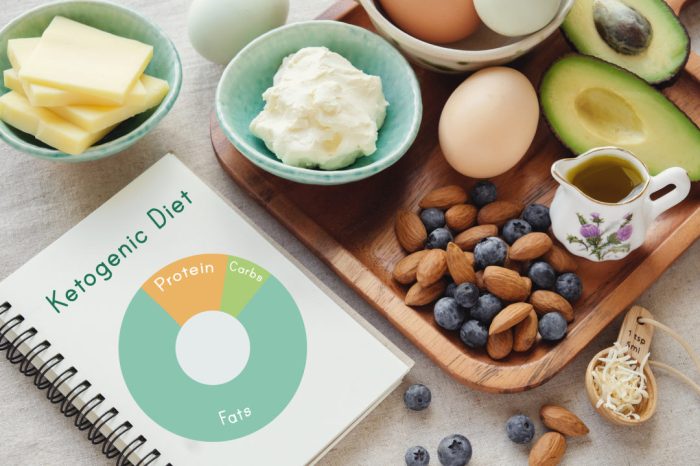
Obesity nutrition and how to tackle the bulge

Game thrones comics obesity nutrition oatmeal cartoon happened tried what theoatmeal pirate music people rant category amazonaws s3 why

Welcome to the wobbly world of Obesity nutrition, where we unravel the mysteries behind why the battle of the bulge feels like an Olympic sport! Ever wondered why your salad is giving you the side-eye while the pizza seems to beckon you like a siren? Buckle up, as we dive into the rollercoaster ride of nutrients, diets, and the not-so-secret ingredients that could tip the scales.

We’ll explore the intricate relationship between what we eat and how our bodies respond, from essential nutrients that keep the scales from tipping to the patterns that help keep the belly at bay. Who knew that a dash of broccoli could be the superhero in our weight management saga?

Health and Nutrition

In the vast world of dietary delights, there exists a rather hefty relationship between obesity and nutrition. Imagine nutrition as the wise wizard, guiding the way to a healthy weight, while obesity is the mischievous gremlin, attempting to lead us astray with tempting treats and oversized portions. Understanding this dynamic duo is crucial for anyone looking to manage their weight, and it all starts with the essential nutrients that serve as the building blocks for a healthier lifestyle.The relationship between obesity and nutrition can be explained by recognizing that the foods we consume not only fuel our bodies but also influence our weight.

A diet overflowing with sugary snacks and deep-fried delights can lead to an excess caloric intake, while a balanced diet rich in essential nutrients can support weight management and overall health. By prioritizing nutrient-dense foods, individuals can effectively control their weight and stave off the gremlin of obesity.

Essential Nutrients for Weight Management

When it comes to weight management, not all nutrients are created equal. Some nutrients are essential for fueling our bodies without tipping the scales into obesity territory. Here’s a breakdown of the key players:

  • Protein: The superhero of satiety, protein keeps hunger at bay while supporting muscle mass. Think chicken, beans, and tofu—fuel for your daily grind!
  • Fiber: The magical substance found in fruits, vegetables, and whole grains that fills you up without filling you out. It’s like a hug for your digestive system!
  • Healthy Fats: Not all fats are foes. Avocados, nuts, and olive oil can actually help you feel full and are essential for hormone production. So go ahead, indulge a little—just not a lot!
  • Vitamins and Minerals: These micronutrients are like the tiny elves working tirelessly behind the scenes to ensure your body operates smoothly. They support metabolism, energy production, and overall health.

Incorporating these nutrients into your diet isn’t just a good idea; it’s a nutritional necessity for anyone aiming to keep the scales from tipping over. Picture this: a plate filled with colorful vegetables, lean proteins, and a drizzle of olive oil—a feast fit for a weight-management champion!

Dietary Patterns in Preventing Obesity

The way we eat can significantly impact our weight and overall health. Dietary patterns—essentially the food choices you make over time—play a pivotal role in preventing obesity. These patterns can be as diverse as a buffet, but some stand out as top contenders for keeping the gremlins at bay.A balanced dietary pattern typically emphasizes whole foods and minimizes processed options.

Consider the Mediterranean diet, which is rich in fruits, vegetables, whole grains, and healthy fats. This diet has shown remarkable results in reducing obesity rates while enhancing overall health. Here’s why adopting balanced dietary patterns is essential:

  • Promotes Portion Control: Eating a variety of nutrient-dense foods encourages mindful eating, helping prevent the dreaded overindulgence.
  • Reduces Processed Foods: Fewer processed foods mean fewer added sugars and unhealthy fats, both notorious for promoting weight gain.
  • Encourages Consistency: Establishing a consistent dietary pattern helps regulate appetite and energy balance, making it easier to maintain a healthy weight long-term.

By focusing on these dietary patterns, individuals can create a lifestyle that not only combats obesity but also enhances their overall well-being. Remember, it’s not just about the food you eat; it’s about creating a harmonious relationship with nutrition that one can sustain for life.

Health and Obesity
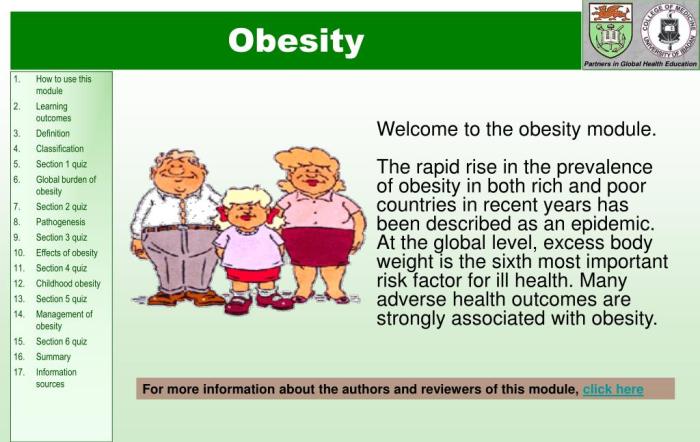
Obesity nutrition

Obesity is not just a number on a scale; it’s a global epidemic that has become the punchline in the ongoing comedy of health crises. With statistics soaring higher than a sugar high, tackling obesity requires more than just a gym membership and a salad. It’s a societal issue, often marinated in psychological complexities and seasoned with chronic diseases. Let’s dive into the deep end of this weighty topic, shall we?

Obesity Statistics and Public Health Implications

The statistics on obesity are as startling as finding out your favorite dessert contains hidden calories. According to the World Health Organization (WHO), worldwide obesity rates have tripled since 1975, with approximately 1.9 billion adults classified as overweight and over 650 million considered obese. That’s a hefty number, and it’s not just a statistic—it’s an alarm bell ringing louder than a triple cheeseburger’s siren call! The implications of these figures are far-reaching, impacting healthcare systems and economies globally.

Increased obesity rates correlate with a spike in healthcare costs; it’s estimated that obesity costs the U.S. economy around $147 billion annually in medical expenses. This is not just a diet dilemma; it’s a public health crisis that requires urgent attention.

Psychological Factors Contributing to Obesity

When discussing the psychology behind obesity, it’s essential to understand that food isn’t just fuel; it often serves as comfort, celebration, or even a coping mechanism. Emotional eating can transform a simple slice of cake into a potent psychological tool, helping individuals navigate life’s ups and downs, albeit at the cost of their waistlines.Common psychological factors include:

  • Stress: Many turn to snacks as a source of solace during stressful times, leading to a cycle of emotional eating.
  • Depression and Anxiety: These mental health conditions can reduce motivation for healthy living, leading to poor dietary choices and inactivity.
  • Body Image Issues: Negative self-perception can lead to disordered eating habits, either overeating or undereating, with each extreme contributing to weight problems.

These psychological components highlight that obesity is not merely a failure of willpower but often a complex interplay of emotional and psychological struggles.

Impact of Obesity on Chronic Diseases

Obesity is like the uninvited guest at a party that just keeps taking over the snacks and refuses to leave. Its impact on chronic diseases is profound and alarming. The excess weight can lead to a plethora of health issues, including heart disease, type 2 diabetes, and certain cancers. The relationship between obesity and chronic illnesses includes:

  • Heart Disease: Obesity increases the risk of heart disease by promoting high blood pressure and cholesterol levels, paving the way for a heart attack.
  • Type 2 Diabetes: Increased body fat can cause insulin resistance, leading to glucose buildup in the blood and eventual diabetes.
  • Cancers: Certain types of cancer, including breast, colon, and endometrial cancer, have been linked to obesity due to the inflammatory processes and hormonal changes it triggers.

The statistics are alarming. For instance, a study published in the Journal of the American College of Cardiology found that obesity can increase the risk of heart disease by 40%. This stark data serves as a reminder that maintaining a healthy weight is not simply about aesthetics but is crucial for long-term health and well-being.

“Obesity is a complex condition, a multifaceted disease that requires more than just a diet plan.”

Popular Diets

When the conversation turns to shedding those extra pounds, countless diets pop up like weeds in a garden. Each boasts claims of miraculous results as if they’ve been blessed by the food gods themselves. Let’s take a humorous yet informative stroll through the buffet of popular diets, comparing their effectiveness in managing obesity and uncovering the juicy details behind low-carb and plant-based approaches.

Comparison of Popular Diets

In the grand feast of diets, it’s essential to know which dish serves up the best results for weight loss. Here’s a savory comparison of some popular diets along with their effectiveness:

  • Keto Diet: This low-carb, high-fat diet turns your body into a fat-burning machine, like a Ferrari on the autobahn. Studies show it can lead to rapid weight loss, but be prepared for the “keto flu” – a less-than-fun detox phase.
  • Paleo Diet: Imagine caveman cuisine with a modern twist! It focuses on whole foods but may leave you missing out on some food groups. Effectiveness varies; it’s good for sustainable eating but may not cause a dramatic drop on the scale.
  • Intermittent Fasting: Not so much a diet as a time-limited eating strategy, this approach can lead to weight loss by simply making you skip breakfast. Studies suggest it works well for many, but it could turn you into a “hangry” monster if not managed properly.
  • Plant-Based Diet: This diet is rich in fruits, vegetables, and whole grains. Research shows it can lead to weight loss and better health. However, it requires commitment and might make you the target of jokes about rabbit food.

Principles Behind Low-Carb Diets

Low-carb diets operate on the principle of significantly reducing carbohydrate intake and replacing it with fat. This shift tricks your body into a metabolic state known as ketosis, where fat becomes the primary fuel source.

“The body prefers carbohydrates for energy, but when you take them away, it learns to adapt and burn fat. It’s like teaching a cat to fetch; it can be done, but it takes time and patience!”

The reduction of carbs leads to lower insulin levels, which facilitates fat burning. Though effective for weight loss, it’s essential to understand that not all carbs are evil; whole grains and fruits still hold valuable nutrients that shouldn’t be shunned entirely.

Benefits and Drawbacks of Plant-Based Diets for Weight Loss

The plant-based diet has been a hot topic, celebrated for its health benefits while also being scrutinized for certain challenges. Here’s a quick breakdown of what you gain and what you might miss out on:

  • Benefits:
    • Rich in Nutrients: Full of vitamins, minerals, and antioxidants that keep your body happy.
    • High in Fiber: Promotes satiety, helping you feel full longer and reducing the likelihood of overeating.
    • Heart Health: Associated with lower cholesterol levels and improved overall cardiovascular health.
  • Drawbacks:
    • Protein Concerns: It can be challenging to get enough protein without careful planning, leading to potential deficiencies.
    • Social Situations: Dining out can become a game of ‘what can I eat?’ as options may be limited.
    • Transition Phase: Adjusting to this diet can involve cravings and withdrawals from animal products.

Switching to a plant-based diet isn’t just about cutting out meat; it’s a lifestyle change that requires thought and creativity in meal planning. For some, this can lead to a vibrant and fulfilling relationship with food, while for others, it may feel like an uphill battle. Ultimately, it’s all about finding what works best for your body and lifestyle.

Outcome Summary

Game thrones comics obesity nutrition oatmeal cartoon happened tried what theoatmeal pirate music people rant category amazonaws s3 why

So there you have it—Obesity nutrition in all its glory! We’ve journeyed through the land of nutrients, popular diets, and the psychological quirks that make us reach for that second slice of cake. Remember, understanding what’s on your plate is the first step to keeping your waistline in check while still enjoying the feast of life. Now go forth and conquer that buffet with wisdom and humor!

Questions Often Asked

What are the best foods for weight loss?

Lean meats, whole grains, fruits, and vegetables are champions in the weight-loss arena!

Can I lose weight without exercise?

Yes, but combining a balanced diet with some movement can turn up the effectiveness dial!

Are low-carb diets safe?

They can be effective for some, but it’s best to consult a professional to ensure you’re not missing out on essential nutrients.

How does mental health affect obesity?

Mental health can greatly influence eating habits—stress eating is a real thing, and so is emotional snacking!

What’s the role of hydration in weight management?

Staying hydrated keeps your metabolism firing and can help curb unnecessary snacking—water is your friend!

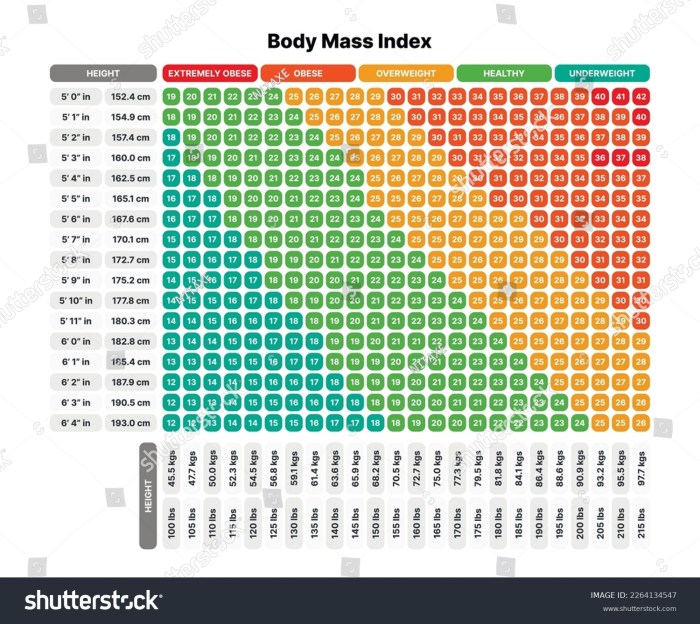
Body mass index (BMI) the quirky guide to your health

Body mass index (BMI)

Body mass index (BMI) is the quirky little number that can tell you more about your health than your last trip to the fridge! Think of it as your body’s personal assistant, whispering sweet nothings about how your weight stacks up against your height. While it’s not the definitive guide to your health, it certainly has a lot to say about your nutritional needs, dietary choices, and all those delicious nutrient-dense foods that can either save the day or tempt you into a donut dilemma.

So, whether you’re trying to dodge those extra pounds or just want to understand what that number really means, let’s dive into the intriguing world of BMI. From the link between BMI and obesity to the popular diets that can help tailor a healthier you, we’re here to unravel the mystery wrapped in a calorie-counted enigma!

Health and Nutrition

Body mass index bmi chart calculator formula height graph function

Understanding Body Mass Index (BMI) isn’t just about numbers; it’s about nourishing your body in a way that fits your unique shape and size. Just like a tailor measures a suit, you can use BMI to assess your nutritional needs and make dietary choices that harmonize with your health goals. Think of it as your body’s personalized nutrition blueprint, guiding you to the most nutrient-dense options that align with your BMI category.BMI provides a snapshot of your body weight relative to your height, which can influence your dietary needs and preferences.

For example, a lower BMI may call for a diet rich in calorie-dense foods to help achieve a healthy weight, while a higher BMI might focus on nutrient-dense foods that provide essential vitamins and minerals with fewer calories. Instead of counting every calorie like a mad scientist, consider portion sizes, food quality, and balance – your body deserves a feast of wholesome goodness!

Nutritional Needs Based on BMI Categories

The impact of BMI on meal planning is not only significant but also quite amusing. Each category has its own flavor of nutritional requirements, so let’s delve into them with a sprinkle of humor:

1. Underweight (BMI < 18.5)

For those who may feel like they belong in a wind tunnel, it’s essential to pack in the calories. Focus on foods that are calorie-rich yet nutritious. Think avocados, nut butters, and whole grains—basically, the stuff that makes you feel like a cozy burrito!

2. Normal Weight (BMI 18.5 – 24.9)

Here’s where the balance comes into play. A delightful mix of macronutrients is key. Incorporate colorful veggies, lean proteins, and healthy fats. Your plate is now an artist’s canvas, and you’re Picasso!

3. Overweight (BMI 25 – 29.9)

If you’re on the cusp, think of it as a sign to maybe dial back the buffet. Nutrient-dense foods should steal the spotlight—hello, leafy greens and berries! They’re like the superhero duo of your diet, fighting off unwanted pounds while keeping your taste buds entertained.

4. Obesity (BMI ≥ 30)

For individuals in this category, it’s time to embrace nutrient-packed foods that don’t just fill you up but keep you satisfied longer. Lean meats, legumes, and whole grains are your new best friends. Imagine them as the Avengers of your plate, ready to save the day!To wrap it all up in a neat little bow, keeping an eye on your BMI can help you make wise dietary choices tailored to your health needs.

Nourishing your body with the right foods for your category isn’t just wise; it’s a delicious and fun journey towards better health. Remember, each bite counts in the grand culinary adventure called life!

Health and Obesity

When it comes to our health, few topics stir up as much debate and mischief as obesity. The Body Mass Index (BMI) has become a popular way to gauge whether we’re rocking that summer body or if we should reconsider our love affair with the donut shop. Spoiler alert: the implications of BMI on obesity-related health issues can be quite serious, but let’s add a sprinkle of humor and a dash of reality to this discussion.The correlation between BMI and health issues related to obesity is more than just a number on the scale—it’s a red alert for various conditions that could crash the party if we don’t pay attention.

High BMI can lead to diabetes, heart disease, and even certain cancers. Think of it as your body sending you an RSVP to a not-so-fun gathering of ailments. According to the Centers for Disease Control and Prevention (CDC), obesity increases the risk of developing chronic diseases, which is a bit like trying to fit an entire cake into a tiny box—something’s gotta give, and it’s usually not the cake.

Implications of BMI on Health Issues

BMI serves as a not-so-gentle reminder that weight management is crucial for overall health. The implications of having a high BMI can include a variety of health problems, such as:

  • Type 2 Diabetes: Being classified as obese increases the risk of insulin resistance, making it harder for the body to manage blood sugar levels.
  • Heart Disease: Extra pounds can lead to high blood pressure and elevated cholesterol levels, which are notorious party crashers for your heart health.
  • Joint Problems: Those knees and hips may not be thrilled about lugging around extra weight, leading to osteoarthritis and joint pain.
  • Sleep Apnea: Excess weight can cause airway obstruction, turning a peaceful night’s sleep into a snore-fest.

The psychological toll of being labeled as obese based on BMI can be as heavy as the weight itself. When society throws around the term “obese,” it often comes with baggage that can lead to self-esteem issues. Individuals may experience stigma, bullying, or internalized negative feelings, making it feel like they’re carrying an additional emotional load. Furthermore, studies have indicated that people with higher BMIs may experience anxiety and depression at higher rates than their slimmer counterparts.

This creates a troubling cycle where mental health issues can lead to weight gain, and weight gain can worsen mental health.

Prevalence of Obesity

Obesity is not just a personal issue; it’s a public health crisis. According to the CDC, more than 42% of adults in the United States were classified as obese in 2020, and the numbers are rising faster than a cat meme going viral. The rise in obesity rates can often be attributed to sedentary lifestyles and the prevalence of calorie-dense, nutrient-poor foods.

Here’s a quick snapshot of the alarming statistics:

  • Adult Rates: The prevalence of obesity among U.S. adults has increased dramatically, up from 30.5% in 1999-2000 to over 42% in 2017-2018.
  • Childhood Obesity: About 19.3% of children and adolescents aged 2-19 were obese in 2017-2018, putting them on a path to potentially serious health issues early in life.
  • Global Perspective: Worldwide obesity has nearly tripled since 1975, signaling that this is a problem that transcends borders and cultures.

As we navigate the complex landscape of health, it’s essential to understand the implications of BMI on obesity. Knowing the numbers can give us a fighting chance to combat the health issues that obesity brings, making weight management a necessity rather than a trend.

Popular Diets

Body mass index (BMI)

In the whimsical world of dieting, where kale reigns supreme and carbs are often seen as villains, various popular diets dance around like they’re auditioning for a reality show. Each diet comes with its own unique flair and promises to help you achieve that coveted BMI balance without sacrificing joy (or at least minimizing it). Let’s dive into the delightful buffet of options available and see how they stack up against each other—and your BMI!

Comparison of Popular Diets and Their Impact on BMI

When it comes to choosing a diet, it’s essential to know how each one can impact your BMI. Below is a table that highlights some popular diets, along with their main characteristics and potential effects on BMI.

Diet Main Characteristics Impact on BMI
Keto High-fat, low-carb Rapid weight loss, potential for lower BMI
Paleo Whole foods, no processed items Can lead to moderate weight loss and BMI reduction
Intermittent Fasting Eating windows, fasting periods May decrease BMI through calorie restriction
Mediterranean Emphasizes fruits, vegetables, and healthy fats Promotes gradual weight loss, often stabilizing BMI
Vegan Plant-based, no animal products Can reduce BMI significantly with proper planning

Understanding the impact of different diets on BMI can help you make informed choices tailored to your personal health goals. It’s crucial to remember that what works for one person may not be ideal for another; a tailored approach is often the key to success.

Tailoring Diets Based on Individual BMI

Diets are not one-size-fits-all, much like your favorite pair of jeans. The key to a successful dietary strategy is customizing your approach based on your current BMI. Here’s how you can adjust various diets according to your individual needs:

1. For a High BMI

Starting with a more restrictive diet like Keto or Intermittent Fasting can jump-start your weight loss journey. These diets might help you shed pounds quickly, creating momentum.

2. For a Normal BMI

Adopt a lifestyle approach like the Mediterranean diet. This allows for balance and moderation, promoting health without drastic measures.

3. For a Low BMI

Focus on nutrient-dense diets like Paleo or Vegan, aiming to add healthy weight while ensuring you receive all necessary nutrients.No matter your starting point, understanding how to adjust your dietary plan can help you achieve and maintain a healthy BMI.

Dietary Strategies to Achieve a Healthy BMI

To reach and maintain a healthy BMI, consider implementing the following dietary strategies. These tips are like your trusty sidekicks on your quest for health:

Portion Control

Even the healthiest foods can contribute to weight gain if you eat them in excess. Visualize your plate as a balance scale; aim for a fair distribution.

Mindful Eating

Pay attention to what you eat. Savor each bite, and you might just find that you feel full sooner!

Stay Hydrated

Sometimes, our bodies confuse thirst with hunger. Drink plenty of water—your body will thank you!

Incorporate Physical Activity

Dieting isn’t solely about what you eat. Combine your healthy eating habits with regular exercise for optimal results.

Set Realistic Goals

Aim for gradual changes rather than overnight transformations. Slow and steady wins the race—and prevents you from feeling like you’re on a restrictive diet roller coaster.

Consult a Professional

If in doubt, a registered dietitian can help you navigate the labyrinth of dietary options and tailor a plan just for you.By adopting these strategies, you can steer the ship of your health toward a better BMI without feeling like you’re sailing through a sea of deprivation.

Ending Remarks

In conclusion, Body mass index (BMI) isn’t just a number; it’s a playful puzzle that offers insights into our health and well-being. Whether you’re armed with a salad or a slice of cake, understanding your BMI can help you make smarter choices—one delicious bite at a time! So, grab your tape measure and scale, and embrace the journey to a healthier you, one quirky fact about BMI at a time!

FAQ Explained

What is the formula to calculate BMI?

BMI is calculated by dividing your weight in kilograms by your height in meters squared (BMI = kg/m²).

Is BMI the only measure of health?

Nope! BMI is a useful tool, but it doesn’t account for muscle mass, bone density, and overall body composition.

Can BMI be misleading?

How often should I check my BMI?

A good rule of thumb is to check it every few months or when you make significant lifestyle changes.

Can children have a BMI?

Absolutely! BMI can be calculated for children, but it’s interpreted differently than in adults, using growth charts.

Keto diet Unlocking the Secrets of Fat-Burning Fun

Keto diet

Keto diet sets the stage for this enthralling narrative, offering readers a glimpse into a story that is rich in detail and brimming with originality from the outset. Imagine a world where your body turns into a fat-burning furnace while you indulge in cheesy goodness and crispy bacon—sounds like a dream, right? This magical transformation is brought to you by the Keto diet, a low-carb, high-fat regimen that not only tantalizes your taste buds but also promises to kick your weight loss efforts into high gear.

With a treasure trove of nutritional benefits that outshine your average salad, the Keto diet lends a helping hand to those wrestling with weight, energy levels, and even chronic pain. As we dive into the world of ketones and carb counting, prepare to discover how this diet stacks up against its popular counterparts while revealing the science behind its impressive results.

Health and Nutrition

Keto diet

The Keto diet, a modern nutritional marvel for many, is much like a magician pulling rabbits out of hats—only this time, the rabbits are nutritious fats and the hats are overflowing with proteins! Designed to usher your body into a state of ketosis, this diet focuses on high-fat, moderate-protein, and very low carbohydrate intake, leading you down a path paved with health benefits and a sprinkle of deliciousness.

But, hold onto your avocados; let’s dive into the nutritional treasure chest!The nutritional components of the Keto diet are akin to a superhero team—each member plays a vital role in your health! By drastically reducing carbs and ramping up fats, your body shifts gears and starts burning fat for fuel instead of glucose. This switch can lead to impressive weight loss and energized days that feel like you’ve had a double shot of espresso (minus the jitters!).

The balance of healthy fats, such as avocados, nuts, and olive oil, combined with protein sources like eggs and meat, creates a powerhouse of nutrients that contribute to improved brain health, controlled blood sugar levels, and enhanced heart health.

Nutritional Components and Their Benefits

The nutrient composition of the Keto diet is remarkable, and understanding these components helps illuminate their numerous health benefits. Here’s a closer look at the key players in this nutritional ensemble:

  • Healthy Fats: Fats are not the enemy here! They provide essential fatty acids and fat-soluble vitamins like A, D, E, and K. These nutrients can help reduce inflammation and promote brain function.
  • Protein: This macronutrient is crucial for maintaining muscle mass, especially during weight loss. Think of protein as your body’s construction worker, building and repairing tissues.
  • Low Carbohydrates: Lowering carbs can help stabilize blood sugar levels. This is like giving your body a calm, steady rhythm instead of a rollercoaster ride!
  • Fiber: Found in non-starchy vegetables, fiber is key for healthy digestion. It’s the friendly neighborhood sidekick that keeps everything running smoothly.

The Keto diet stands out when compared to other popular diets like Paleo or Mediterranean. While the Paleo diet focuses on whole foods, neglecting processed foods and grains, the Keto diet is a bit more selective, prioritizing fat over carbs. The Mediterranean diet boasts heart-healthy fats but often includes more grains, making it less restrictive. By keeping carbohydrates to a minimum and focusing on nutrient-dense foods, the Keto diet can provide a unique edge in achieving rapid weight loss and sustained energy levels.

“Switching to a high-fat diet can lead to a 70% increase in fat oxidation and a 30% decrease in fat storage.”

As we explore the health and nutrition aspect of the Keto diet, it becomes clear that this culinary adventure can lead you to not only shed those pesky pounds but also bounce around with the energy of a toddler on a sugar rush—minus the sugar, of course!

Health and Obesity

Keto diet

The Keto diet has emerged as a beacon of hope for those battling the bulge, presenting an intriguing approach to weight loss and overall health. By dramatically changing how our bodies utilize energy, the Keto diet not only provides a means to shed those pesky pounds but also holds the potential to reduce obesity rates on a larger scale. It’s a whimsical roller coaster ride through the world of fats, carbs, and proteins that can lead to some surprising results.

The magic of the Keto diet lies in its ability to switch the body’s fuel source from carbohydrates to fats, a process known as ketosis. When carbohydrates are scarce, the body becomes an efficient fat-burning machine, leading to enhanced weight loss. This metabolic switch does more than just help in shedding pounds; it also reduces insulin levels and curbs hunger, making it easier to maintain a calorie deficit.

Think of it as a switch that flicks on your body’s ability to burn fat instead of storing it, turning you into a lean, mean, fat-burning machine—without the need for laser beams or superhero capes!

Mechanisms of Keto Diet Influencing Metabolism

Understanding how the Keto diet influences metabolism is like peeking behind the curtain at the wizard’s magic tricks. The diet works via several key mechanisms:

1. Insulin Regulation

By minimizing carbohydrate intake, the Keto diet lowers insulin levels. Low insulin levels promote fat breakdown and prevent the storage of excess fat. Think of insulin as the bouncer at the club of fat cells—it decides who gets in and who doesn’t!

2. Increased Fat Oxidation

Once the body enters ketosis, it starts to break down fat into ketones for energy. This process not only helps reduce fat stores but also leads to a steady source of energy. Say goodbye to those energy crashes after carb-heavy meals!

3. Appetite Suppression

Ketosis can lead to reduced hunger levels, thanks to the satiating nature of fats. This can make it easier to stick to a calorie-reduced plan. It’s like having a magic spell that makes you too full to snack!

4. Enhanced Energy Levels

As the body adapts to burning fat for fuel, many individuals report increased energy and mental clarity. The brain loves ketones, making it feel as if you’ve upgraded from dial-up to fiber-optic internet.Success stories abound, bringing smiles and inspiration to those considering this dietary adventure. Take, for example, the tale of Sarah, who transformed from a carb-loving couch potato to a vibrant energy dynamo, shedding over 50 pounds on Keto and gaining a newfound zest for life.

Or let’s not forget about Mike, who dropped three sizes and started running marathons, all while enjoying his beloved bacon and avocados! These stories shine a light on the potential of the Keto diet to not just change waistlines but also lives.

“The Keto diet isn’t just a diet; it’s a lifestyle change that can transform your relationship with food forever!”

Pain Management

The Keto diet isn’t just about bacon and butter; it’s also a potential superhero when it comes to pain management. Imagine if your plate could be a pain-relief pharmacy—well, it might just be! The Ketogenic lifestyle encourages the body to enter a state of ketosis, which can help reduce inflammation—one of the notorious villains in the saga of chronic pain conditions.

So, let’s dive into how this diet can be your sidekick in battling pain.Research indicates that inflammation plays a significant role in various chronic pain conditions, such as arthritis and fibromyalgia. The Keto diet, which emphasizes high fat and low carbohydrates, can lead to lower insulin levels and improved mitochondrial function, both of which are associated with reduced inflammation. As if that’s not enough, this dietary approach may also help modulate the pain perception in the brain.

Talk about a brain boost!

Foods that Alleviate Pain

Incorporating specific foods into your Keto diet can not only satisfy your taste buds but also aid in reducing pain. Below is a guide to some of the superfoods that might just pack a punch against your ailments:To start, it’s essential to note that certain foods are rich in anti-inflammatory properties and healthy fats, which can help soothe those pesky pains.

Here’s a list of culinary warriors you can include in your Keto repertoire:

  • Fatty Fish: Salmon, mackerel, and sardines are packed with omega-3 fatty acids, which are known for their anti-inflammatory effects. Plus, they taste great grilled or baked with a side of lemon—talk about a win-win!
  • Leafy Greens: Spinach, kale, and arugula are nutrient-dense and low in carbs, making them perfect for keeping inflammation at bay. Toss them into a salad or blend them into a creamy Keto smoothie!
  • Avocado: This green gem is rich in monounsaturated fats and antioxidants, making it a perfect addition to your diet. Not only does it help in reducing inflammation, but it also adds a creamy texture to your dishes. A toast to that!
  • Olive Oil: Drizzling extra virgin olive oil over your meals can provide significant anti-inflammatory benefits. Use it in salads or as a dip for your Keto-friendly bread—your taste buds will thank you!
  • Berries: While many fruits are high in carbs, berries like strawberries, blueberries, and raspberries are lower-carb options that are also rich in antioxidants. They can be a delicious topping for your Keto desserts!
  • Turmeric: This golden spice contains curcumin, a compound known for its anti-inflammatory properties. Add it to your dishes or whip up a warm turmeric latte for a spicy kick in your pain management strategy.

“Food is not just fuel; it’s information. It talks to your DNA and tells it what to do.”Dr. Mark Hyman

In summary, embracing a Keto lifestyle can be a delightful journey filled with tasty foods that may help in managing pain and inflammation. By incorporating these delicious, health-promoting foods into your diet, you may just find that you’re not only enjoying your meals but also taking proactive steps towards a pain-free life. Now, who wouldn’t want that?

Closing Notes

As we wrap up our gastronomic adventure through the Keto diet, it’s clear that stepping into the world of fats and minimal carbs is not just a fad but a lifestyle choice with numerous health benefits. From shedding those pesky pounds to managing pain, the Keto journey is a rollercoaster of flavor and wellness that leaves you feeling satisfied and energized.

Whether you’re a curious newbie or a seasoned pro, remember: the key to success lies in enjoying the ride as you embrace the deliciousness that is Keto!

FAQ Insights

What foods can I eat on a Keto diet?

Think bacon, avocados, cheese, nuts, and leafy greens! Basically, if it’s low in carbs and high in fats, it has a VIP pass.

Is the Keto diet safe for everyone?

While many can enjoy the Keto lifestyle, those with certain health conditions should consult a doctor before diving in—better safe than sorry!

Can I enjoy sweets on the Keto diet?

How long does it take to see results on the Keto diet?

Results can vary, but many people start noticing changes within a few weeks—so hold on to your hats and snacks!

Will I feel tired when starting the Keto diet?

Some do experience a “Keto flu” at first, but it’s usually short-lived. Stick with it, and soon you’ll be brimming with energy!